
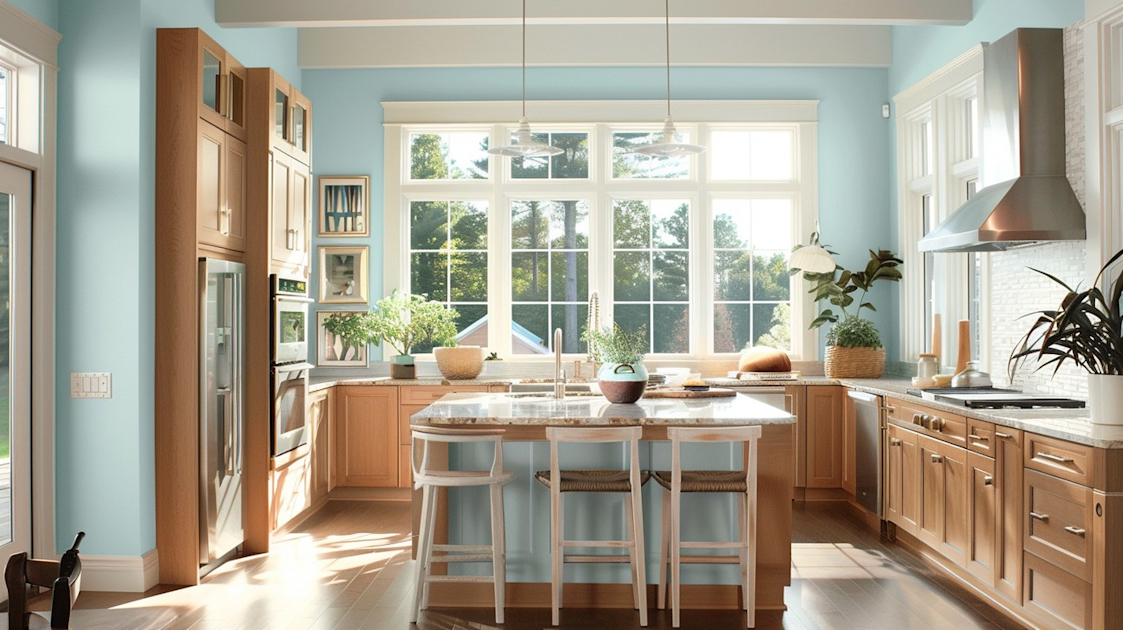


Choosing the right color for your kitchen walls can be a game-changer, both aesthetically and functionally. The kitchen is more than just a space for cooking and dining; it's often the heart of the home where families gather and memories are made. By selecting the best kitchen wall colors, you can create a welcoming and inspiring environment. In this blog, we’ll explore popular color trends, the psychology behind colors, and tips for making the best choice for your kitchen.
The Power of Color in the Kitchen
Color holds the power to influence not just the aesthetics of your kitchen but also your mood and energy. It can make a small kitchen appear larger or create a cozy atmosphere in a large space. Whether you desire a space that energizes or calms you, the right wall color can make all the difference.
Understanding the Psychology of Colors
Before diving into specific colors, it's crucial to understand the psychology behind them. Here's a closer look at the emotional and psychological influences of popular kitchen colors:
- Red: Known to stimulate appetite and conversation, red is a bold choice that can add warmth and energy.
- Blue: Often associated with calmness and serenity, blue can make a kitchen look fresh and inviting.
- Yellow: Known for its cheerful and inviting nature, yellow reflects sunshine and positivity, perfect for enhancing happiness.
- Green: Brings a sense of nature into the kitchen, offering a fresh and healthy ambiance.
- Gray: Neutral and balanced, gray adds sophistication and versatility, pairing well with other colors.
- White: Clean, simple, and timeless, white can make a space seem larger while offering a blank canvas for accents.
Trending Kitchen Wall Colors
Keeping up with what’s trending in kitchen paint colors can help inform your decision and ensure your kitchen remains stylish and up-to-date.
Neutral Hues
Neutral colors are timeless and versatile, allowing you to easily change other elements of the kitchen without repainting. Consider options like soft grays, taupe, or beige that offer warmth and elegance.
Earthy Tones
Earthy tones are all about bringing the outside inside, creating a calm and grounded feel. Think rich terracottas, warm browns, or muted greens. These colors pair well with natural wood finishes and can enhance the feeling of warmth in any kitchen.
Bold and Vibrant
For those looking to make a statement, bold and vibrant colors like teal, mustard yellow, or royal blue can add personality and drama to your kitchen. These eye-catching colors work well in larger spaces or as accent walls.
Soft Pastels
Pastels like soft pinks, lavender, and mint green add a touch of delicacy and can be perfect for creating a light, airy feel in smaller kitchens. They pair beautifully with white and other neutral tones.
Dark and Moody
Dark kitchens are increasingly popular for their dramatic and modern appeal. Deep shades of navy, charcoal, or even black can create a striking backdrop for lighter cabinetry and fixtures.
Choosing the Right Color for Your Kitchen
Selecting the ideal color scheme for your kitchen walls involves several considerations. From the size and lighting of the space to existing cabinetry and fixtures, the right color choice requires careful thought.
Consider Your Kitchen Size
Bright and light colors can make a small kitchen feel more open and spacious, while dark colors can add a cozy and intimate vibe to larger spaces.
Assess Lighting
Natural and artificial lighting plays a vital role in how a color appears in your kitchen. Neutral shades and pastels often work well in spaces with ample natural light, while deeper hues can flourish under artificial lighting.
Complement the Fixtures and Furnishings
The color of your cabinets, countertops, and appliances should harmonize with your wall color. Warm-toned elements often pair well with similarly warm colors, while cool-toned features may pop against contrasting hues.
Painting Tips and Techniques
Once you've selected the perfect paint color, it's time to apply it. Here are a few tips to ensure a flawless finish:
- Prep Your Walls: Make sure to clean the walls thoroughly and repair any cracks or holes for a smooth base.
- Use Quality Supplies: Invest in quality brushes and rollers for even coverage and a seamless finish.
- Test Samples: Apply paint samples on various parts of the wall to see how they look in different lighting throughout the day.
- Apply Two Coats: To achieve the best coverage and true color representation, always apply at least two coats of paint.
Best Kitchen Wall Colors FAQ
What are some popular kitchen wall color choices?
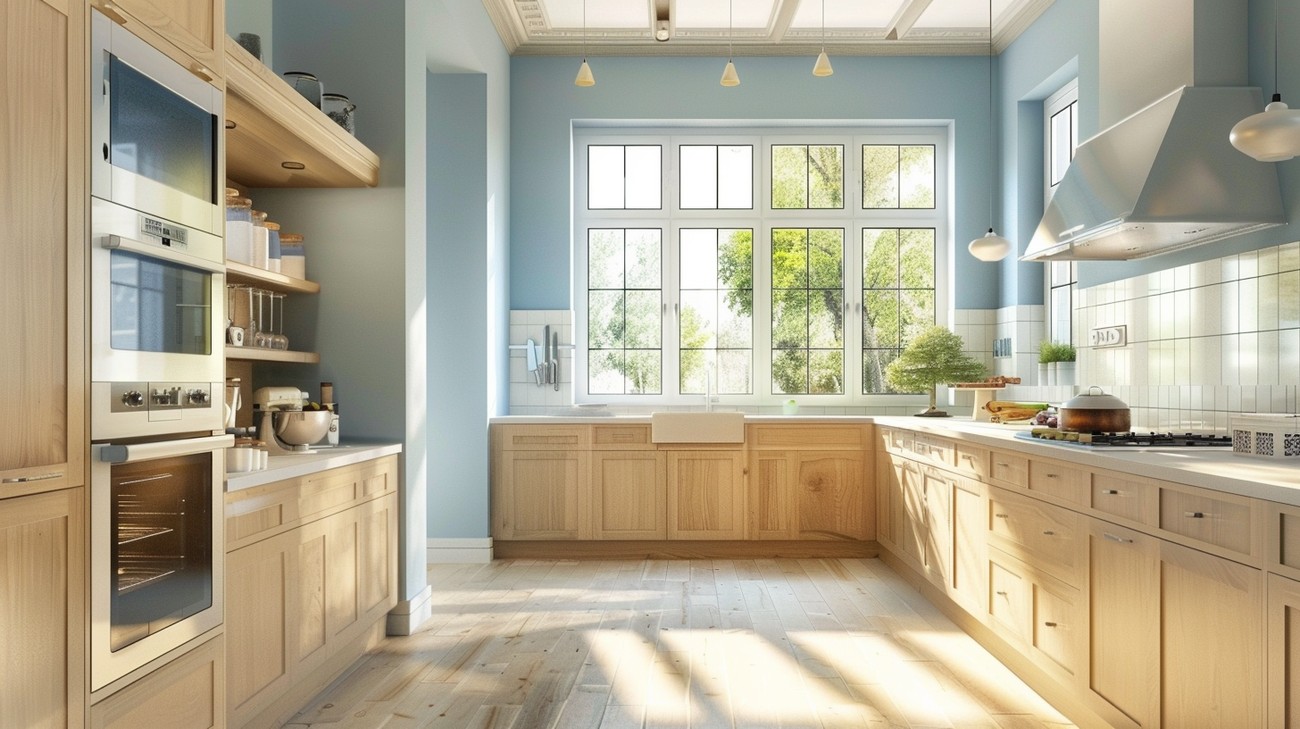
Popular kitchen wall colors often include neutral shades like whites, creams, and grays, as they offer a clean and versatile backdrop for various kitchen styles. Soft blues and greens are also favored for their calming effects, while brighter options such as yellow or red can inject energy and warmth into the space. Each color can uniquely impact the ambiance, often reflecting personal style and complementing the kitchen's design elements.
How can kitchen wall colors affect the mood of the space?
Kitchen wall colors dramatically influence the mood and feel of the room. Light colors like whites and soft pastels can make a kitchen feel airy and spacious, enhancing natural light. Warm hues like red, orange, and yellow are believed to stimulate appetite and conversation, infusing the space with energy. In contrast, cool tones such as blues and greens promote a sense of calm and tranquility, providing a serene cooking and dining environment.
What are the best kitchen wall colors for small kitchens?
For small kitchens, it's often best to choose light and neutral wall colors. Whites, off-whites, soft grays, and pastels can make a compact space appear larger and more open. These shades reflect light effectively, creating an illusion of depth and expanding the visual boundaries of the room. Additionally, a cohesive color palette brings unity and harmony to small kitchen spaces, enhancing the overall aesthetic appeal.
Are there any trendy kitchen wall colors currently?
Trendy kitchen wall colors are constantly evolving, but current favorites include earthy tones like terracotta and sage green, which add warmth and a touch of nature. Deep jewel tones, such as navy blue and emerald green, are also gaining popularity for their sophistication and ability to create a striking contrast with cabinetry and accessories. These colors reflect a desire to bring the outdoors inward and create a cozy, grounded feel.
How do I choose a kitchen wall color that complements my cabinetry?
When selecting a kitchen wall color to complement your cabinetry, start by considering the cabinet's material and color. For wood cabinets, choose a shade that highlights the wood's natural grain. Pairing light cabinets with soft, warm colors can create a harmonious look, while bold colors can create a vibrant contrast. Dark cabinetry can be beautifully balanced with lighter wall colors, adding depth without overwhelming the space.
What are the best kitchen wall colors to enhance lighting?
To enhance lighting in a kitchen, opt for wall colors that reflect light rather than absorb it. Shades like bright whites, pale yellows, and soft pastels naturally amplify available light, making the room feel brighter regardless of the actual illumination. These colors work particularly well in kitchens with limited natural light or where lighting fixtures are insufficient. Employing high-gloss or semi-gloss paint finishes can further enhance light reflection.
Can kitchen wall colors affect resale value?
Yes, kitchen wall colors can impact a home's resale value, as the kitchen is often a focal point for potential buyers. Neutral and timeless colors like whites, grays, and beiges are widely appealing and tend to attract a larger audience. These colors provide a blank canvas, allowing buyers to envision their personal style in the space. Bold or unusual color choices might limit appeal, making it crucial to choose wisely if considering a future sale.
How often should I consider changing my kitchen wall colors?
The frequency of changing your kitchen wall colors largely depends on personal preference and lifestyle changes. Some people may enjoy updating their space with current trends every few years, while others might wait a decade or more to repaint. It's also worth considering repainting if you're remodeling or wish to introduce a different ambiance to the kitchen. Combining color updates with necessary maintenance ensures that the space remains fresh and inviting.
Are there specific kitchen wall colors suitable for open floor plans?
In open floor plans, it’s essential to choose kitchen wall colors that seamlessly transition into adjacent spaces. Neutral shades like off-whites, beiges, and soft grays can unify the entire area, providing continuity. Alternatively, using a slightly deeper or lighter hue in the kitchen can delineate the space while maintaining harmony with the overall color scheme. Additionally, consider accent walls or decor elements to subtly differentiate connected spaces.
Do certain kitchen styles pair better with specific wall colors?
Indeed, certain kitchen styles align beautifully with specific wall colors. Traditional kitchens often favor warmer, classic hues like creams and taupes, while a modern kitchen might embrace cooler tones like whites or deep blues. Farmhouse styles can use soft greens or muted yellows for a cozy feel, and industrial kitchens might incorporate dark grays or blacks to emphasize sleek textures and materials. Aligning the wall colors with the kitchen style ensures a cohesive and appealing aesthetic.
Comparison
Key Features Comparison
| Color | Key Features |
|---|---|
| White | Versatile, timeless, enhances space brightness, complements various designs. |
| Light Gray | Neutral, modern, pairs well with stainless steel and wood accents. |
| Soft Green | Refreshing, soothing, brings a touch of nature indoors. |
| Bold Blue | Vibrant, stylish, adds a pop of color, works as an accent wall. |
| Warm Beige | Cozy, inviting, neutral backdrop for colorful accessories. |
Performance Differences
White: Performing best in smaller kitchens, white enhances the perception of space and cleanliness. It reflects light effectively, making it a top choice for kitchens with limited natural light.
Light Gray: Known for being cool and sophisticated, light gray tends to absorb less light but provides a sleek, modern look. It can make a kitchen feel organized and professional.
Soft Green: Providing a calming effect, soft green walls perform exceptionally well in kitchens with ample natural light, offering a serene and tranquil environment.
Bold Blue: Though more daring, bold blue can energize a kitchen space when used wisely, such as on an accent wall or lower cabinetry. However, it may overwhelm smaller, less-lighted spaces.
Warm Beige: Performing well in spaces aiming for warmth and coziness, warm beige complements wood tones and rustic accents, making it excellent for traditional kitchen designs.
Price Comparison
| Color | Average Price Per Gallon |
|---|---|
| White | $20 - $50 |
| Light Gray | $25 - $60 |
| Soft Green | $30 - $65 |
| Bold Blue | $35 - $70 |
| Warm Beige | $20 - $55 |
Best Use Cases for Each
White: Best suited for modern and minimalist kitchen styles, especially in smaller or closed-off kitchens needing uplifted light and space.
Light Gray: Ideal for contemporary or industrial-style kitchens with stainless steel appliances and stone countertops. Works well in large, open kitchens.
Soft Green: Great for eco-friendly kitchens or those with indoor plants, creating a seamless indoor-outdoor feel. Suited for both traditional and modern settings.
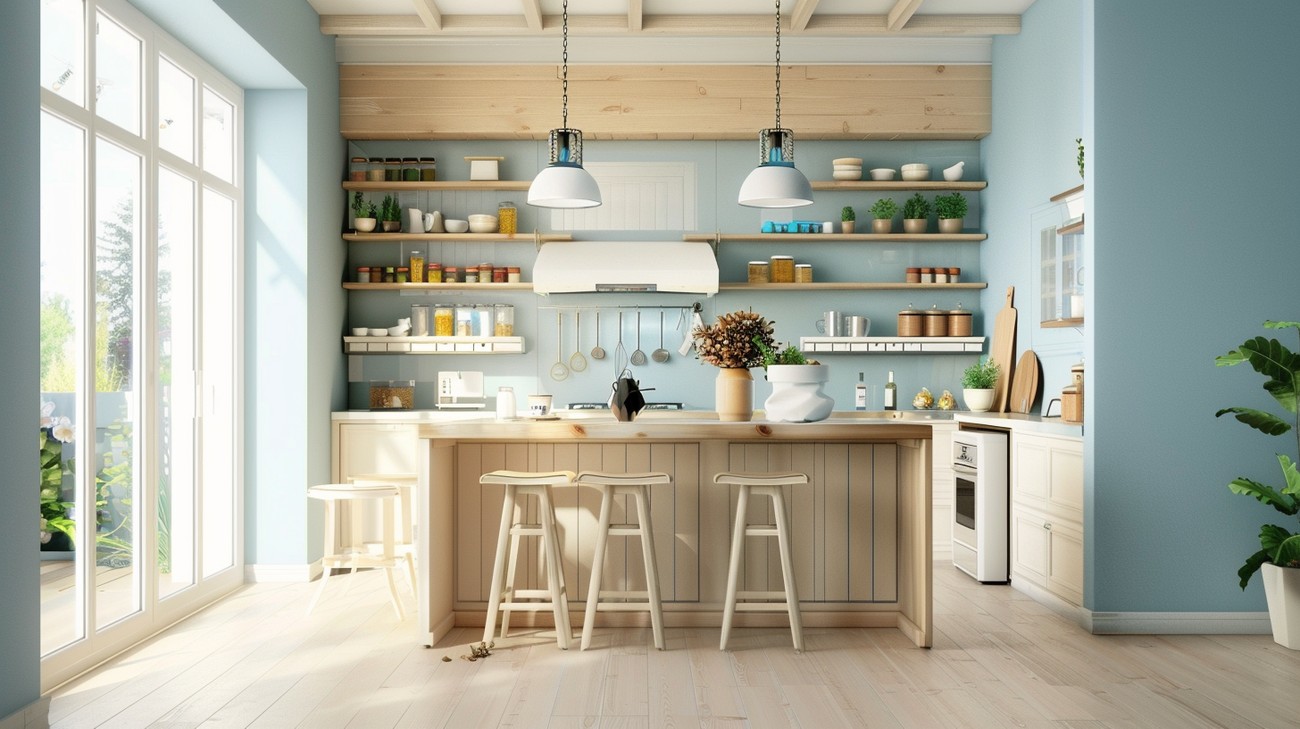
Bold Blue: Perfect for homeowners willing to make a bold statement, suitable as an accent against white or gray primary walls. Enhances eclectic and coastal-themed kitchens.
Warm Beige: Fitting for farmhouse or rustic designs, ideal in kitchens aiming for a relaxed, welcoming atmosphere. Complements natural materials like wood and stone.
Bottom Line Recommendation
When choosing a kitchen wall color, consider the natural lighting, existing decor, and desired atmosphere. If your kitchen is small or lacks light, white might be your best bet for making the space feel larger and more open. Light gray is superb for contemporary aesthetics, particularly in kitchens with lots of metallic elements. For a touch of tranquility, soft green is a beautiful choice, particularly in sunlit kitchens that connect with outdoor spaces. For those ready to make a statement, bold blue, used sparingly, can transform your kitchen into a lively and stylish setting. Warm beige, on the other hand, offers versatility and comfort, making it a solid choice if you lean towards traditional or country-inspired designs.
Final Thoughts
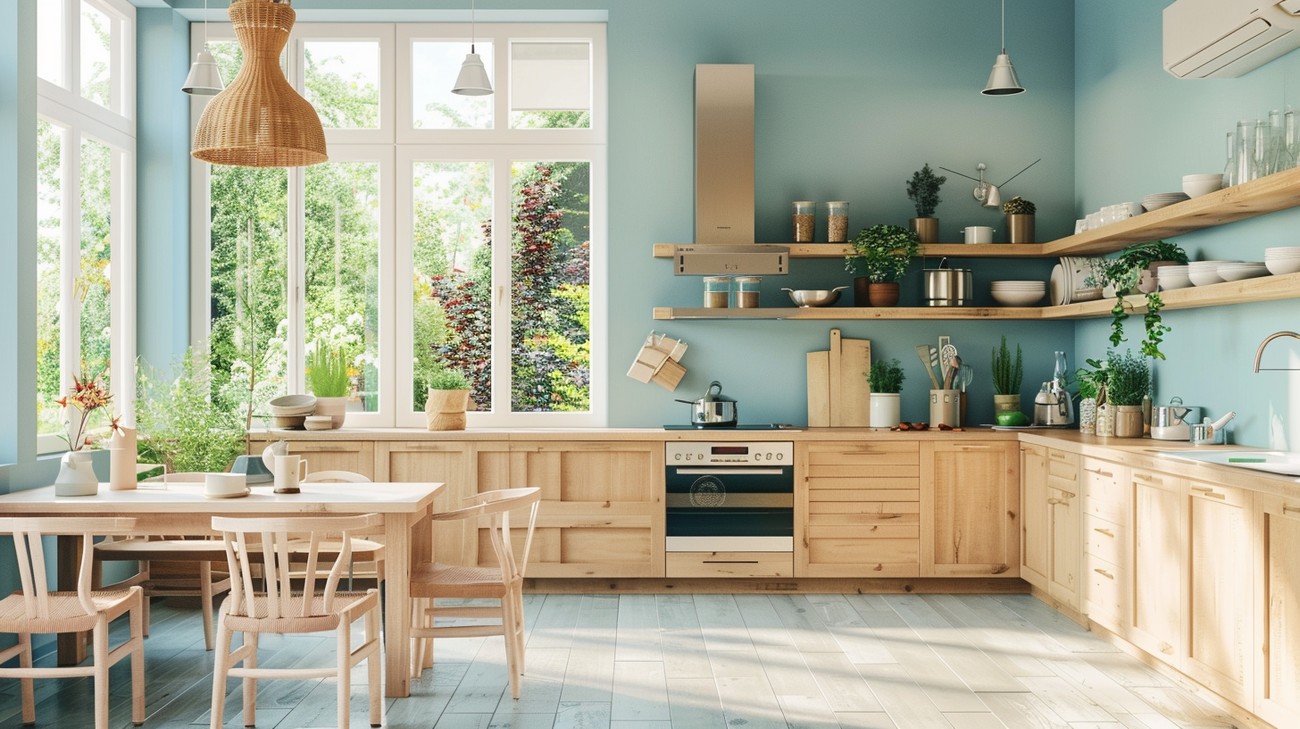
Choosing the best kitchen wall colors can truly transform your space, making it more inviting and reflective of your personal style. Whether you're drawn to soft pastels or bold, vibrant hues, the right color can enhance your kitchen's atmosphere while complementing your cabinetry and decor.
If you’re ready to elevate your kitchen with a fresh coat of paint, we're here to help. At Pro Tile & Remodeling, we specialize in kitchen renovations and are proud to serve homeowners in Greenville, SC. Reach out to us to schedule a consultation or to request a free estimate. Let's work together to create the kitchen of your dreams!


