
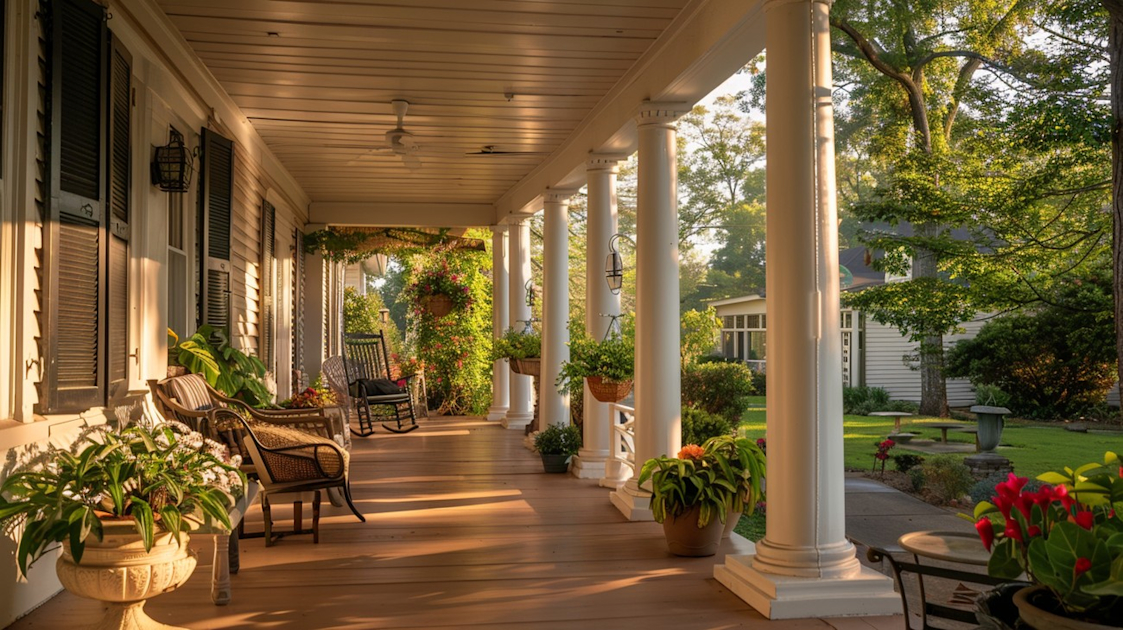


Front porch columns are more than just structural supports; they are a vital aspect of your home's exterior design and curb appeal. Whether traditional or contemporary, porch columns can transform your front porch into a welcoming and elegant space. In this article, we will dive deep into the world of front porch columns, exploring their styles, materials, installation tips, and maintenance. Get ready to make an informed decision for enhancing your home's facade.
Understanding Porch Columns
Porch columns are architectural features that add character and functionality to your porch. They support the weight of the roof covering the porch and contribute significantly to the overall aesthetics of your home. With their prominent position on your home's facade, choosing the right columns is critical to achieving a cohesive architectural style.
Types of Front Porch Columns
Architectural Styles
There is a variety of porch column styles that can complement diverse architectural designs, such as:
- Doric Columns: These classic Greek columns are simple and robust, marked by a plain capital and no base. They are ideal for a minimalist look.
- Ionic Columns: With their volutes at the capitals, Ionic columns offer a more sophisticated, decorative appearance, suitable for elegant homes.
- Corinthian Columns: Known for their intricate capitals adorned with acanthus leaves, they exude opulence and grandeur.
- Tuscan Columns: Simplified versions of Doric columns with an unadorned shaft and simple base, perfect for rustic or Colonial homes.
- Modern Columns: These embrace cleaner lines and often incorporate innovative materials to suit contemporary designs.
Material Options
The choice of material can impact the durability, maintenance, and cost of your columns. Some common materials include:
- Wood: Traditional and timeless, wood columns offer a warm and inviting look, with options like cedar and redwood providing natural resistance to decay.
- PVC: Low-maintenance and resistant to weather and insects, PVC columns are lightweight and easy to install.
- Fiberglass: Strong and durable, fiberglass columns can mimic the appearance of wood without the associated maintenance.
- Stone and Masonry: Offering unparalleled durability and a robust appearance, stone columns can elevate the grandeur of your porch.
- Aluminum: Lightweight and resistant to rust, aluminum is an excellent choice for modern homes seeking a sleek aesthetic.
Selecting the Right Style for Your Home
Choosing the right porch column style requires a keen eye for design and an understanding of your home's architectural theme. Coordination with existing elements such as railings, facades, and trim is key to creating harmony.
Considerations:
- Architectural Style: Align column styles with the overall architectural design for cohesiveness.
- Size and Proportion: Ensure the columns are proportionate to your porch and home size for aesthetic balance.
- Theme Consistency: Choose columns that reflect the intended theme, whether it’s classic, rustic, or modern.
Installation Tips and Techniques
Installing front porch columns is a significant endeavor requiring precision and care to ensure stability and safety. Here are some tips for a successful installation:
- Preparation: Ensure your porch foundation is level and capable of supporting the columns.
- Measurement and Alignment: Take accurate measurements and mark positions to ensure symmetry and proper alignment.
- Secure Fastening: Use appropriate fasteners and ensure the columns are securely anchored to both the porch floor and ceiling.
- Professional Installation: Consider hiring professional installers, especially for heavy materials like stone or masonry.
Remember to always follow local building codes and regulations when installing porch columns to ensure compliance and safety.
Maintaining Your Front Porch Columns
Maintaining your porch columns prolongs their lifespan and keeps them looking attractive. Here’s a quick guide to effective maintenance practices:
- Regular Cleaning: Clean columns periodically to remove dirt and debris. Use soapy water for general cleaning and a mild detergent for tougher spots.
- Inspection: Regularly inspect for signs of damage or wear, such as cracks, rot, or peeling paint.
- Refinishing: For wood columns, refinish or repaint periodically to protect against the elements.
- Repairs: Address any damage promptly to prevent further deterioration, especially in wooden columns.
Regular upkeep not only keeps your porch inviting but also enhances the value and longevity of your home.
Enhancing Aesthetic Appeal with Porch Columns
Porch columns can be both functional and visually captivating when designed thoughtfully. Here are some ways to enhance aesthetic appeal:
- Decorative Accents: Add decorative bases or capitals to elevate the design.
- Lighting Enhancement: Integrate lights on or around columns to add evening charm to your porch.
- Color Coordination: Choose or paint columns in colors that complement your home’s palette.
Quick Design Tips:
- Use matching or complementary railings and fixtures to unify the look.
- Add plants or climbing vines for a touch of greenery and softness.
- Experiment with color to highlight architectural features.

Front Porch Columns FAQ
What materials can be used for front porch columns?
Front porch columns can be crafted from a variety of materials to suit different architectural styles and durability needs. Common materials include wood, fiberglass, aluminum, stone, and PVC. Wood columns offer a classic and warm aesthetic, but they may require regular maintenance due to susceptibility to rot and pests. Fiberglass columns are lightweight yet strong, mimicking the appearance of wood without the maintenance hassles. Aluminum columns provide a modern look and excellent resistance to rust and decay, making them a durable option. Stone columns offer unmatched grandeur and permanence, while PVC columns give a versatile, low-maintenance option that can be painted or left as is.
How do I choose the right size for my front porch columns?
Choosing the right size for front porch columns depends on the architectural style of your home and the structural requirements of your porch. Start by considering the scale and proportion; large columns might overpower a small porch, while tiny columns could appear inadequate for a grand entrance. Measure the porch height and the space between your roof and the porch floor to determine the best height for your columns. Width is equally important; thicker columns provide a sense of sturdiness and grandeur. Consulting with an architect or using architectural guidelines can help ensure your front porch columns both look aesthetically pleasing and support the structural load as needed.
Are front porch columns load-bearing?
Front porch columns can certainly be load-bearing, but it depends on the construction of your porch and the placement of the columns. Load-bearing front porch columns are structural components that support the roof or any overhanging structure. If you're unsure whether existing columns are load-bearing, check with a structural engineer or architect. Not all columns are designed to carry weight; some may be purely decorative, serving no structural purpose. When replacing or renovating porch columns, it's crucial to understand their role in your building's architecture to select the appropriate type and ensure they meet all necessary code requirements.
How can I maintain wooden front porch columns?
Maintaining wooden front porch columns involves regular inspection and care to prevent decay, rot, and pest infestation. Start with a biannual inspection to detect any signs of damage or wear early, such as cracks, chipping paint, or soft spots. Ensure proper sealing and painting to protect the wood from moisture and UV damage, which can cause rot or warping. Choose a high-quality, exterior-grade paint or a polyurethane varnish for enhanced protection. Regularly cleaning your wooden columns with mild soap and water will help remove dirt and debris that can harbor insects or mold, and keeping your porch area well-ventilated can reduce moisture retention.
Can aluminum front porch columns be painted?
Yes, aluminum front porch columns can be painted to match your home's aesthetic or complement your design preferences. Painting aluminum columns involves a few specific steps to ensure durability and an even finish. First, clean the columns thoroughly to remove any dirt, grease, or other contaminants. Use a mild detergent and a scrub brush, then rinse and let them dry completely. Sand the surface lightly to create a texture that paint can adhere to easily. Apply a self-etching primer specifically designed for metal surfaces to prevent peeling and enhance adhesion. Once the primer is dry, apply a high-quality exterior-grade paint in the color of your choice, allowing each coat to dry according to the manufacturer's instructions for optimal results.
Are fiberglass front porch columns a good choice for coastal areas?
Fiberglass front porch columns are an excellent choice for coastal areas due to their strength and resistance to humid, salty environments. Unlike wood, fiberglass will not rot, warp, or attract termites, and they are less prone to cracking or splitting under harsh weather conditions common in coastal regions. Additionally, fiberglass columns are resistant to corrosion, making them ideal in areas with salty air that can quickly damage other materials like metal. Their durability ensures a long lifespan, while their flexibility in design allows them to mimic traditional architectural styles with minimal maintenance. Just ensure that your fiberglass columns are properly installed and sealed to benefit fully from their protective qualities.

The Pros and Cons of Front Porch Columns
Pros
Enhances Curb Appeal
Front porch columns are a classic architectural feature that can significantly enhance the curb appeal of your home. They add a touch of elegance and sophistication, making your house stand out in the neighborhood. Whether you choose sleek modern designs or ornate traditional ones, columns can complement your home’s style perfectly.
Provides Structural Support
Aside from their visual appeal, front porch columns provide essential structural support. They help bear the weight of the roof, ensuring stability and safety. This is especially important in areas prone to heavy snow or high winds, where additional support can prevent structural damage.
Offers Versatile Design Options
The design possibilities with porch columns are endless, allowing homeowners to customize their appearance to match personal taste and architectural style. You can choose from materials like wood, fiberglass, stone, or vinyl, and decide whether you want something ornate or simple. This versatility lets you express your creativity and ensures your porch matches the rest of your home seamlessly.
Creates a Welcoming Entrance
Columns can create an inviting and warm entryway. They frame your front door beautifully, making it an attractive focal point for visitors and offering a warm welcome each time you come home. There’s something inherently charming about walking up to a house with a well-framed porch entrance.
Adds Value to Your Home
Investing in front porch columns can actually increase the value of your home. Buyers often look for character and charm, and columns do just that by enhancing your home's aesthetic appeal. A well-designed porch can be a huge selling point, fetching a higher price if you ever decide to move.
Cons
Maintenance Requirements
Depending on the material, porch columns can require significant maintenance to keep them looking pristine. Wooden columns, for example, might need regular painting or staining to protect them from weather damage. Even materials like vinyl or fiberglass, while more durable, sometimes need cleaning and occasional upkeep.
Potential for Structural Wear
While they are designed for support, certain materials can deteriorate over time, especially when exposed to harsh weather conditions. Columns made of wood might rot or become infested with termites, while metal columns can rust. Regular inspections are necessary to identify any early signs of wear or damage.
Can be Costly
Installing or replacing front porch columns can be an expensive endeavor. High-quality materials and expert labor don't come cheap, and if you're looking at custom designs, the costs can add up quickly. However, many homeowners find the investment worthwhile over time given the potential for added home value and aesthetic improvements.
Limited Design Freedom in Some Cases
While columns are versatile, they can also limit design freedom if you have an eclectic or highly modern aesthetic that doesn’t naturally lend itself to traditional column designs. Finding a style and material that works with non-traditional house designs can be a challenge, and you might feel constrained by certain design norms that don't fit your taste.
Limitations on Usability of Porch Space
Columns can sometimes impede the usability of your porch space. They can take up valuable room, particularly if you have a smaller porch, making it difficult to furnish or use the area effectively. This might limit your ability to create that cozy outdoor space you've envisioned.
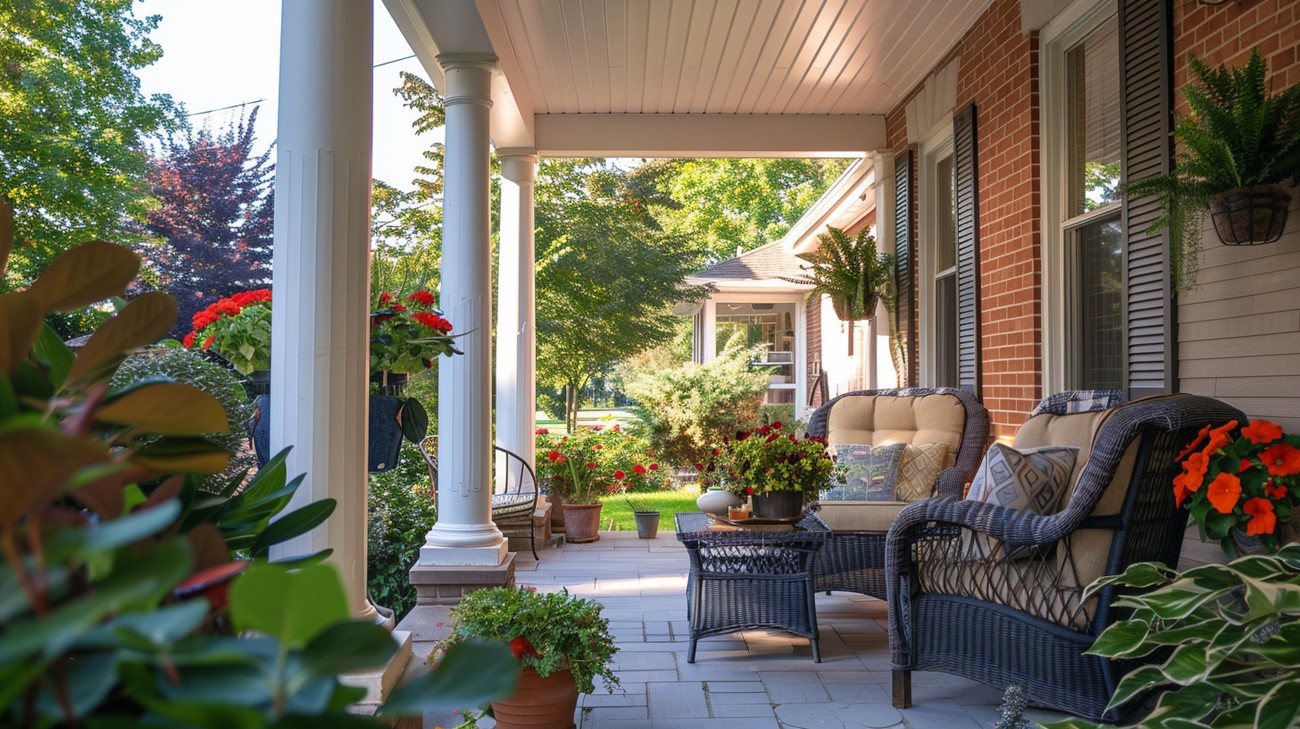
Buyer's Guide: What to Look For
Key Factors to Consider
When it comes to purchasing front porch columns, the right choice can make a world of difference in the overall appearance and functionality of your home. Here are some key factors to bear in mind:
Material: Columns can be made from various materials such as wood, fiberglass, aluminum, or PVC. Each material has its pros and cons. Wood offers a classic appeal but requires regular maintenance. Fiberglass is durable and low-maintenance, while PVC provides great resistance to weather and pests. Consider what material best suits your aesthetic preferences and maintenance commitment.
Style and Design: The architectural style of your home should influence your choice of column design. Whether it's classic Doric or modern square columns, the design should complement your home's façade.
Load-Bearing Capability: Not all columns are designed to support weight. Determine if your columns will be purely decorative or if they need to support the roof of your porch. Always check the load-bearing specifications if structural support is required.
Size and Proportions: Scale is key. Ensure the columns you choose are proportionate to the height and breadth of your porch to create a balanced look. A skinny column on a grand porch could look out of place.
Budget: Costs can range significantly depending on the material and style. Establish a budget early to narrow down your options.
Must-Have vs Nice-to-Have Features
Let's break down what's essential versus what's a bonus:
Must-Have Features:
- Durability: The column should withstand the elements. Choose a material that offers long-term resilience.
- Proper Dimensions: Column dimensions must fit the space properly to ensure structural integrity and visual appeal.
- Symmetry with Home Design: Compatibility with your home’s architectural style for a seamless look.
Nice-to-Have Features:
- Intricate Carvings or Designs: These add character but are not essential if you’re on a budget or prefer minimalism.
- Pre-finished Surfaces: While convenient, you can choose to paint or seal columns yourself to save costs.
- Warranty: Offers extra peace of mind, especially for high-end materials or custom designs.
Red Flags to Avoid
- Visible Cracks or Warping: Inspect for any signs of damage, which can indicate underlying quality issues.
- Absence of Detailed Load Specifications: Avoid products that don’t clearly state their load-bearing capability if structural support is required.
- Poor Customer Reviews: Stay away from columns that consistently receive negative feedback, especially regarding durability.
Questions to Ask Before Buying
- What material is best for my climate? Different materials hold up better in different climates. Ask the retailer or manufacturer which material is recommended for your area.
- Does this column need maintenance, and if so, how much? Knowing the maintenance requirements upfront helps in planning long-term care.
- Is installation included? Some retailers may offer installation services, which can be particularly beneficial for complex designs.
- What’s the return policy if the columns don’t meet my expectations? Understand your options if the purchase doesn’t work out as planned.
How to Spot Quality
- Uniform Finish: A high-quality column should have a consistent texture and color, indicating good craftsmanship and materials.
- Robust Material Composition: Check that the material feels solid and substantial, not thin or flimsy.
- Attention to Detail: Look for precise carvings, smooth edges, and well-defined patterns if the column has decorative elements.
- Reputable Brand: Opt for established brands known for quality and reliability in construction products.
- Certifications and Standards Compliance: Ensure the columns meet local building standards and regulations to guarantee safety and quality.
Final Thoughts
Front porch columns are more than just structural supports; they’re an essential part of your home’s curb appeal and charm. We always encourage homeowners to consider how these elements can enhance the overall aesthetics of their entryway. Whether you're leaning toward a traditional look or something more modern, the options are as varied as your personal style.
If you're in Greenville, SC, and ready to elevate your front porch with beautiful columns, we’re here to help. At Pro Tile & Remodeling, we are your trusted local experts, ready to guide you through the process, from selecting the right style to installation. Feel free to reach out for a consultation or to request a free estimate. Your dream porch is just a step away!


