
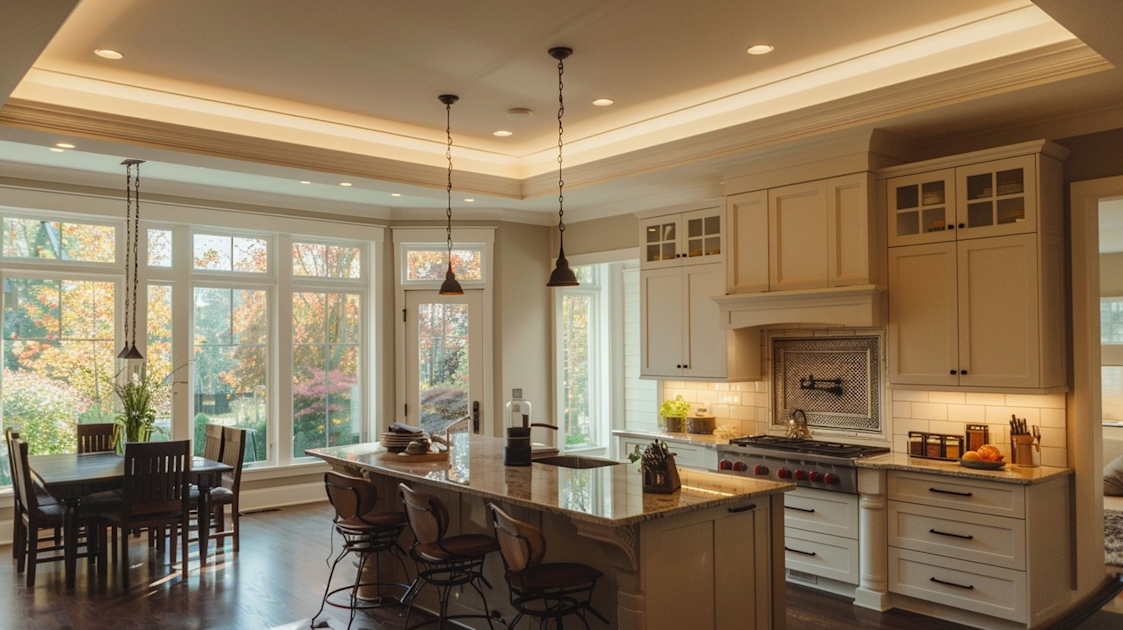


In the realm of kitchen design, the term "kitchen soffit" might not immediately ring a bell for everyone. However, these typically underappreciated features play an essential role in the aesthetic and functional aspects of a kitchen. In this comprehensive guide, we'll delve deep into understanding kitchen soffits, their purposes, design options, and how you can make a soffit work for you or transform it into a feature that enhances your kitchen’s overall appeal.
What is a Kitchen Soffit?
A kitchen soffit refers to the bulkhead or the space between the top of your kitchen cabinets and the ceiling. Historically, soffits have been employed to cover up HVAC systems, plumbing pipes, electrical connections, and other installations. While these hidden utilities remain common, modern design trends have fallen out of favor with the outdated look of closed soffits, opting instead for open shelving or imaginative décor ideas.
Purpose of a Kitchen Soffit
Cover Unsightly Features
One of the primary roles of a kitchen soffit is to cover up various structural elements such as ductwork, electrical work, or plumbing that may otherwise detract from the kitchen's aesthetic.
Create Visual Transitions
Soffits can help create visual harmony between the cabinets and the ceiling, bridging the gap through a more defined architectural element.
Add Character to Your Kitchen
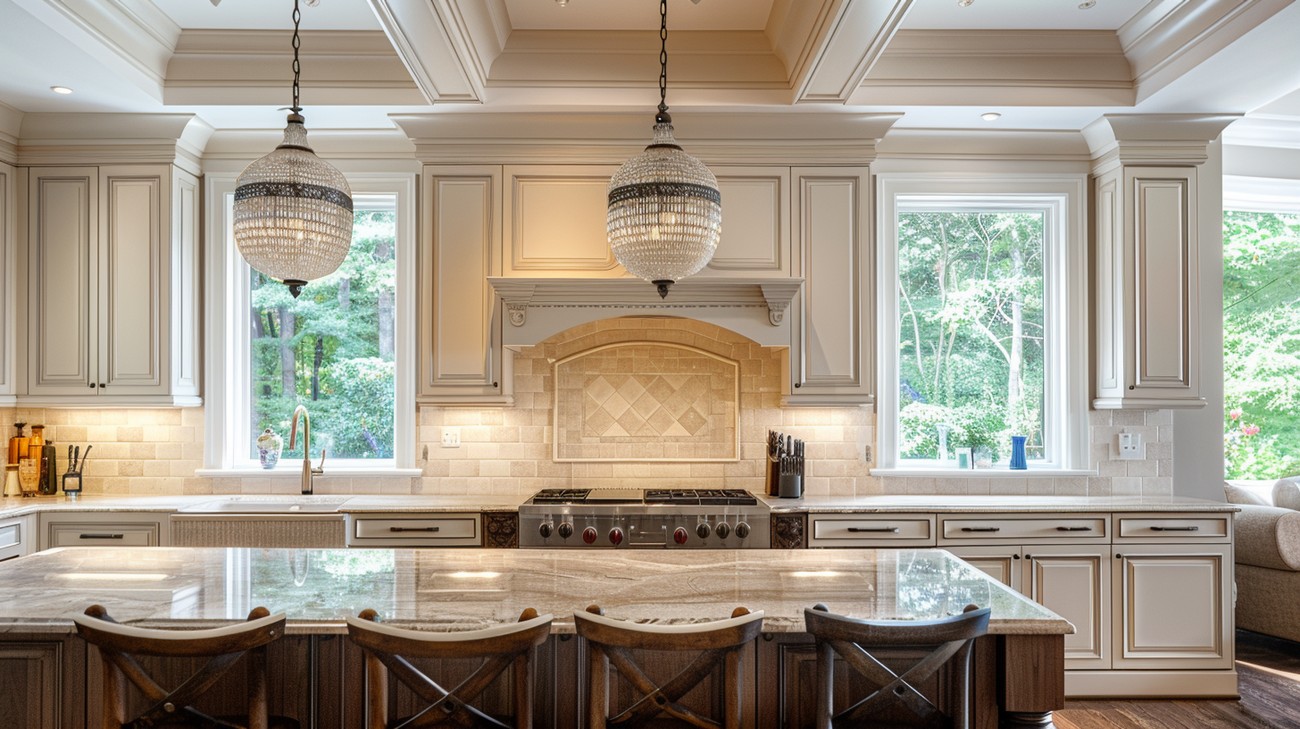
Incorporating clever design elements like crown molding or paint can transform a plain soffit into a stunning feature that adds charm and character to your kitchen space.
Design Ideas for Kitchen Soffits
Incorporating Cabinetry
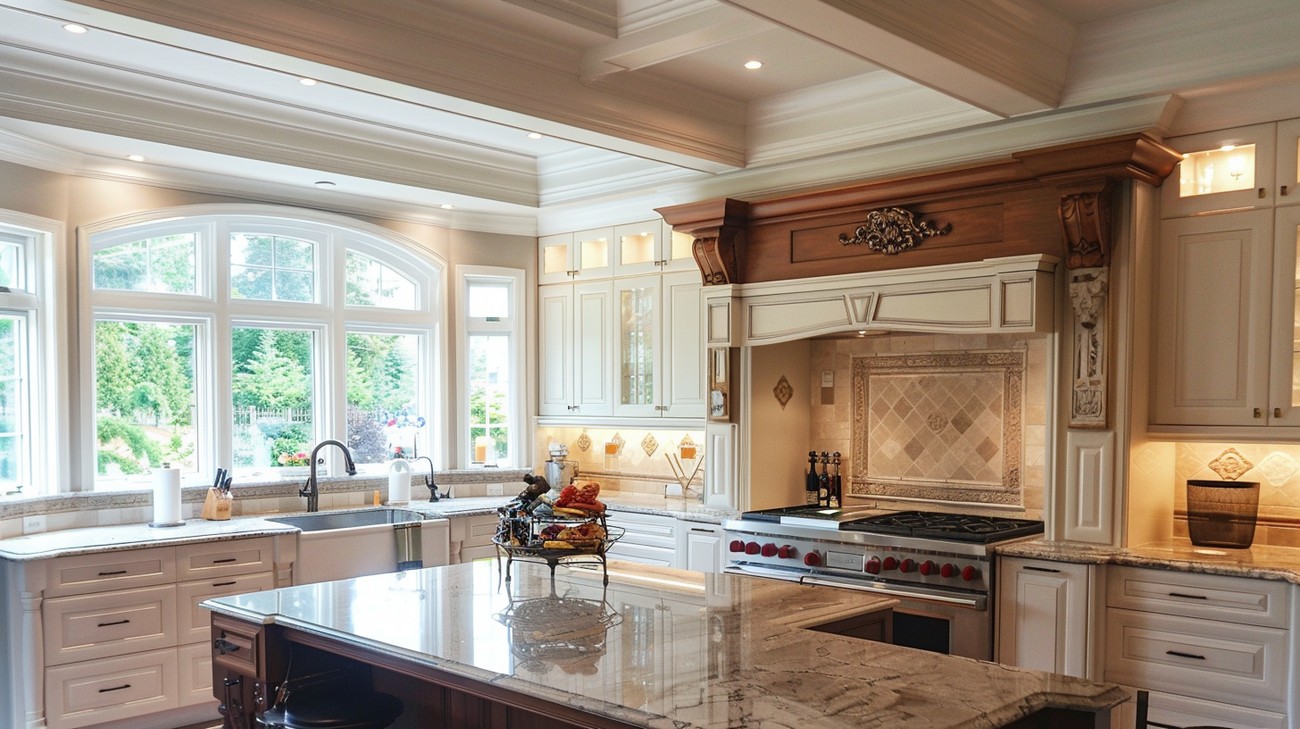
Consider extending your cabinets to reach the ceiling, thereby eliminating the soffit space altogether. This approach not only resolves the visual disconnect between the cabinets and the ceiling but also offers extra storage space, a bonus for kitchen efficiency.
A Splash of Color
Instead of a plain white or beige, consider painting the soffit a bold color that complements your kitchen décor. A bright blue or rustic red can become a focal point instead of a space that fades into the background.
Adding Texture and Dimension
Textures like wood paneling, beadboard, or even wallpaper can give your soffit a three-dimensional appeal. Adding molding or trim can further accentuate the uniqueness of the space.
Integrated Lighting
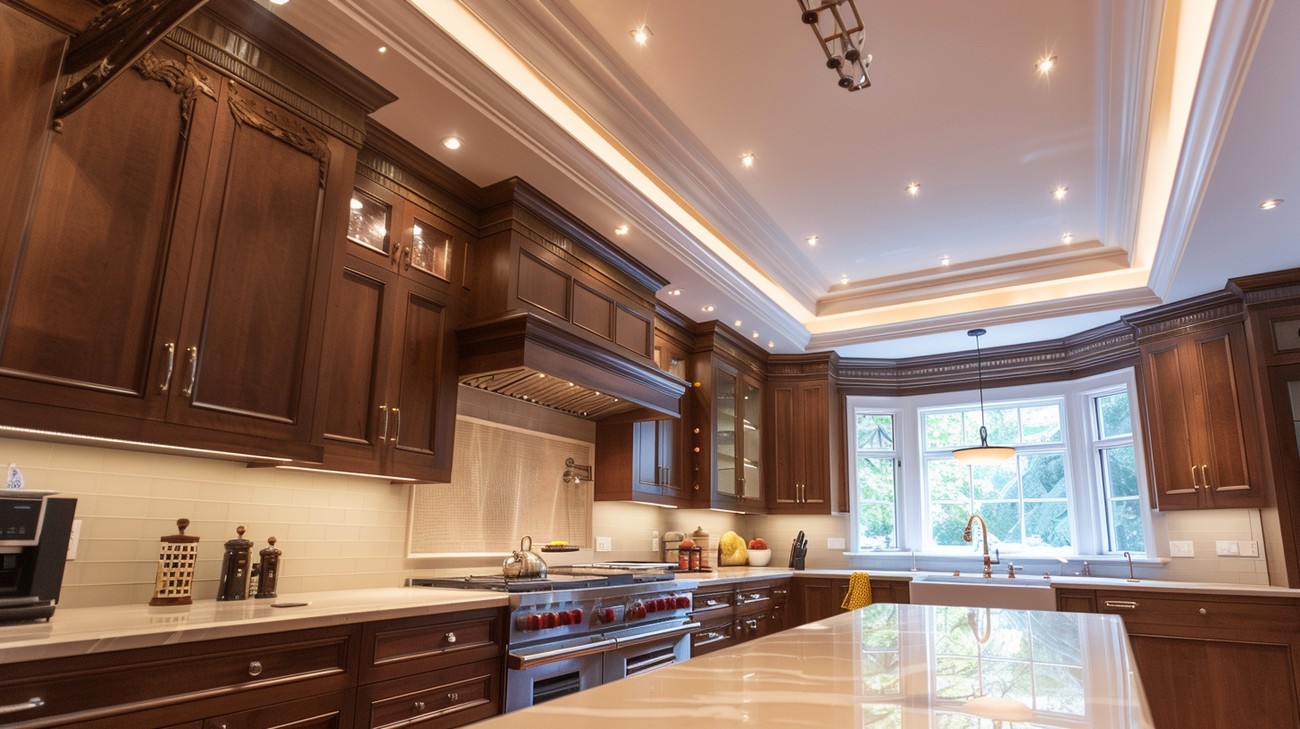
Incorporate recessed lighting or attach under-soffit LED strips. Not only will this provide additional illumination for workspace areas below, but it can also highlight and draw attention to the ceiling area, making the kitchen feel warm and welcoming.
The Benefits of Transforming Kitchen Soffits
Enhanced Storage Solutions
Optimizing soffit space by extending cabinetry or integrating shelving provides more room for storage, reducing countertop clutter and enhancing organization.
Increased Resale Value
Thoughtfully designed soffits can add a level of sophistication and perceived space to your kitchen, increasing the overall appeal and potential resale value of your home.
Improved Natural Light Utilization
When designed with precision, soffits can help direct natural light deeper into the kitchen, creating a more inviting and functional space.
Common Mistakes to Avoid
While kitchen soffits can be beneficial, there are a few common missteps that can detract from their potential:
Ignoring Proportions: Ensure the soffit is proportional to your cabinets and ceiling; oversized soffits can appear bulky and disrupt the visual flow.
Neglecting Maintenance: Painted and textured soffits require occasional maintenance to look their best; don’t forget cleaning and touching up paint as needed.
Overcrowding with Decor: While personalization is key, avoid cluttering the soffit with too many decorative items, which can make the ceiling appear lower and the space more cramped.
Practical Tips for Kitchen Soffits
- Minimalistic Approach: Less is more. Opt for a sleek, minimalistic design to prevent the soffit from overwhelming your kitchen aesthetics.
- Professional Consultation: When in doubt, consulting with a kitchen design professional can provide insights and ideas tailored to your kitchen’s specific architecture and style.
Frequently Asked Questions About Kitchen Soffits
Why do kitchens have soffits?
Kitchen soffits are often installed for both functional and aesthetic reasons. Functionally, they can hide unsightly mechanical elements such as plumbing, electrical wires, or ductwork that reside above your kitchen cabinets. Aesthetically, soffits can bridge the gap between the top of the cabinets and the ceiling, providing a cleaner and more finished look. In some kitchen designs, soffits are used to create a sense of cohesion and can add architectural interest to an otherwise plain space.
How do kitchen soffits affect the design of a kitchen?
Kitchen soffits can significantly affect the overall design and ambiance of a kitchen. They can create a more composed and consistent appearance by aligning the cabinet tops with the ceiling. Soffits can also be an opportunity to incorporate decorative elements like crown molding or even lighting. The presence of kitchen soffits can dictate the types of cabinetry and the amount of storage space available, and they can create the illusion of height or space, depending on their dimensions and the height of the ceiling.
Can kitchen soffits be removed or modified?
Yes, kitchen soffits can be removed or modified, but the process can be complex depending on what lies behind them. Before deciding to remove kitchen soffits, it's important to know if they conceal any critical plumbing, wiring, or HVAC systems. If they contain essential components, you'll need to relocate these systems, which can add to the project's cost and complexity. Consulting with a professional contractor or architect is usually recommended to assess and execute any modifications safely.
What materials are typically used in constructing a kitchen soffit?
Kitchen soffits are typically constructed using materials like drywall, plywood, or MDF (medium-density fiberboard). These materials are often chosen for their versatility and ease of installation. Drywall soffits are common as they can be seamlessly integrated with the ceiling and walls, while plywood and MDF offer a smooth surface that can be easily painted or covered with decorative finishes like wallpaper or wood veneer. The choice of material can influence the appearance and durability of the soffit, so it's important to select an option that complements the overall kitchen design.
How can I update or enhance my existing kitchen soffits?
Updating or enhancing existing kitchen soffits can breathe new life into your kitchen design. You might consider adding crown molding or decorative trim for a classic look. Painting the soffit in a contrasting or complementary color to your cabinets can also provide a stylish update, while adding lighting elements such as recessed spotlights can increase functionality and ambiance. Don't overlook the potential of wallpaper or textured materials to add interest and character to your kitchen soffits, contributing to a unique and personalized kitchen design.
Are kitchen soffits essential for all kitchens?
No, kitchen soffits are not essential for all kitchens. They are often used as a solution to specific design challenges or preferences but are not universally necessary. In modern kitchen designs, some homeowners favor eliminating soffits altogether to create cabinets that extend to the ceiling, maximizing storage space. However, the choice to include or exclude kitchen soffits typically depends on practical needs, such as concealing mechanical elements, or personal aesthetic preferences in the overall design.
Do kitchen soffits impact the resale value of a home?
Kitchen soffits themselves don't usually have a significant direct impact on the resale value of a home, but they can influence potential buyers' perception of the kitchen space. Well-designed and aesthetically pleasing soffits may enhance the overall appearance and appeal of the kitchen, possibly making the property more attractive to buyers. On the contrary, soffits that appear outdated or poorly maintained might detract from the kitchen's attractiveness. Homeowners should consider the overall cohesiveness and look of their kitchen, including the soffits, when thinking about potential resale value.
How do you effectively clean and maintain kitchen soffits?
Effective cleaning and maintenance of kitchen soffits involve regular dusting and occasional deep cleaning, depending on the material of the soffit. For painted drywall or wood soffits, use a damp cloth or mild cleaning solution to wipe away any accumulated dust or grease, particularly near cooking areas. Avoid harsh chemicals that might damage finishes. If the soffit material is textured or wallpapered, use a vacuum with a brush attachment to remove dust. Regular maintenance can prevent buildup and keep your kitchen soffits looking fresh and new, ensuring they contribute positively to your kitchen's appearance for years to come.
The Pros and Cons of Kitchen Soffits
Pros
1. Conceals Unsightly Elements
One of the top advantages of kitchen soffits is their ability to hide elements you’d rather not see. Soffits are superb at concealing ductwork, plumbing, and electrical wiring, which can be unsightly and disruptive to the visual flow of your kitchen space. By tucking these elements away, soffits provide a cleaner, more polished appearance.
2. Offers Additional Storage Options
While not traditionally used as storage space, some creative kitchen owners find ways to utilize soffits for slim storage solutions. You can install hooks or small racks on the underside or even build custom cabinetry that flows from your existing units, turning potential dead space into practical storage for rarely-used items.
3. Enhances Aesthetic Continuity
Soffits can serve as a bridge between your cabinets and the ceiling, providing a smooth transition that enhances the overall aesthetic continuity of your kitchen. They can help balance the scale of a room by closing the gap above cabinets, thereby making the kitchen feel more cohesive and less cluttered.
4. Insulation Opportunities
Soffits can also offer a unique place to add extra insulation, which can help with temperature regulation. This can be particularly beneficial in keeping your kitchen warm during the winter months and could even contribute to the energy efficiency of your home.
Cons
1. Limits Design Options
When you have soffits installed, you have limited flexibility in changing cabinet heights or adding decorative ceiling elements like exposed beams or dramatic light fixtures. This can potentially lock you into design decisions that restrict your creativity or future remodeling ideas.
2. Reduces Vertical Space
One of the most common complaints about kitchen soffits is that they can make a kitchen feel smaller by reducing the vertical space between the cabinets and the ceiling. This perceived reduction in space can be particularly bothersome in smaller kitchens, where every inch counts.
3. Possible Maintenance Issues
While soffits are great for hiding non-essentials, they can also make maintenance more challenging. Accessing plumbing, wiring, or ductwork within a soffit might require extra work and expense, as you may need to remove portions of the soffit to address any issues behind it.
4. Outdated Design Perceptions
Soffits are often associated with older kitchen designs, leading some homeowners to view them as outdated or unfashionable. As modern kitchen design tends to favor open space and clean lines, a soffit can sometimes feel like a relic of a bygone era, detracting from a contemporary aesthetic.
5. Potential for Dust Accumulation
An often-overlooked downside of kitchen soffits is their potential to accumulate dust. Without regular cleaning, they can become dusty and grimy, which is particularly noticeable if soffits are left open or have decorative elements that gather dirt. This can lead to unwanted maintenance tasks to keep your kitchen looking its best.
Final Thoughts
A kitchen soffit can play a crucial role in your kitchen’s design, providing both architectural interest and practical benefits like housing ductwork or lighting. Whether you’re looking to refresh your space or considering a full remodel, understanding how to incorporate a soffit into your kitchen can make a tremendous difference in both functionality and aesthetics.
If you’re ready to take the next step or have questions about how a kitchen soffit can enhance your Greenville, SC home, we’re here to help. At Pro Tile & Remodeling, we pride ourselves on being your trusted local expert, ready to assist with everything from design ideas to professional installations. Let’s chat and explore how we can bring your vision to life.


