
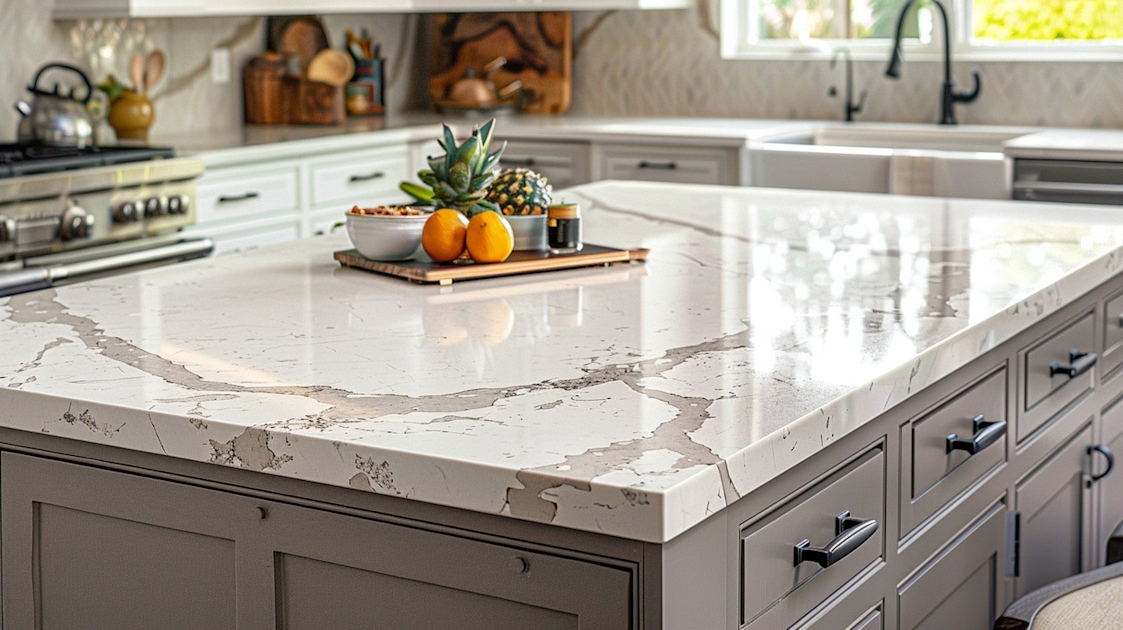


If you're considering renovating your kitchen or bathroom, you've probably stumbled upon the ever-popular choice of quartz countertops. Known for their beauty, durability, and versatility, quartz countertops are a favored option among homeowners. But one critical factor that often influences the final decision is the cost. Understanding the pricing structure of quartz countertops can help you make an informed decision that fits your budget and style preferences.
What Are Quartz Countertops?
Before diving into prices, it's essential to understand what quartz countertops are. Unlike natural stone countertops made from quarried stone, quartz countertops are engineered from quartz crystals, one of the hardest naturally-occurring materials. These countertops are created by combining approximately 90-95% ground natural quartz with polymer resins, resulting in a non-porous, robust, and stylish surface.
Factors Affecting Quartz Countertop Prices
When it comes to pricing quartz countertops, several factors come into play. Understanding these can help you determine how to balance your budget with your design aspirations.
Quality of Quartz
Quartz countertops are available in several grades, including builder, standard, and premium, each differing slightly in quartz content and overall quality. Higher quality quartz usually equates to a more significant investment, but it also brings enhanced durability and appearance.
- Builder Grade: Economical choice, lower quartz concentration.
- Standard Grade: Good balance of price and quality.
- Premium Grade: Highest concentration of quartz, superior finish.
Brand Reputation
Numerous brands offer quartz countertops, each with its unique pricing, quality, and styles. Well-known brands often come with a higher price tag but promise better warranty terms and extensive color selections. Some leading brands include Caesarstone, Cambria, and Silestone.
Color and Pattern Complexity
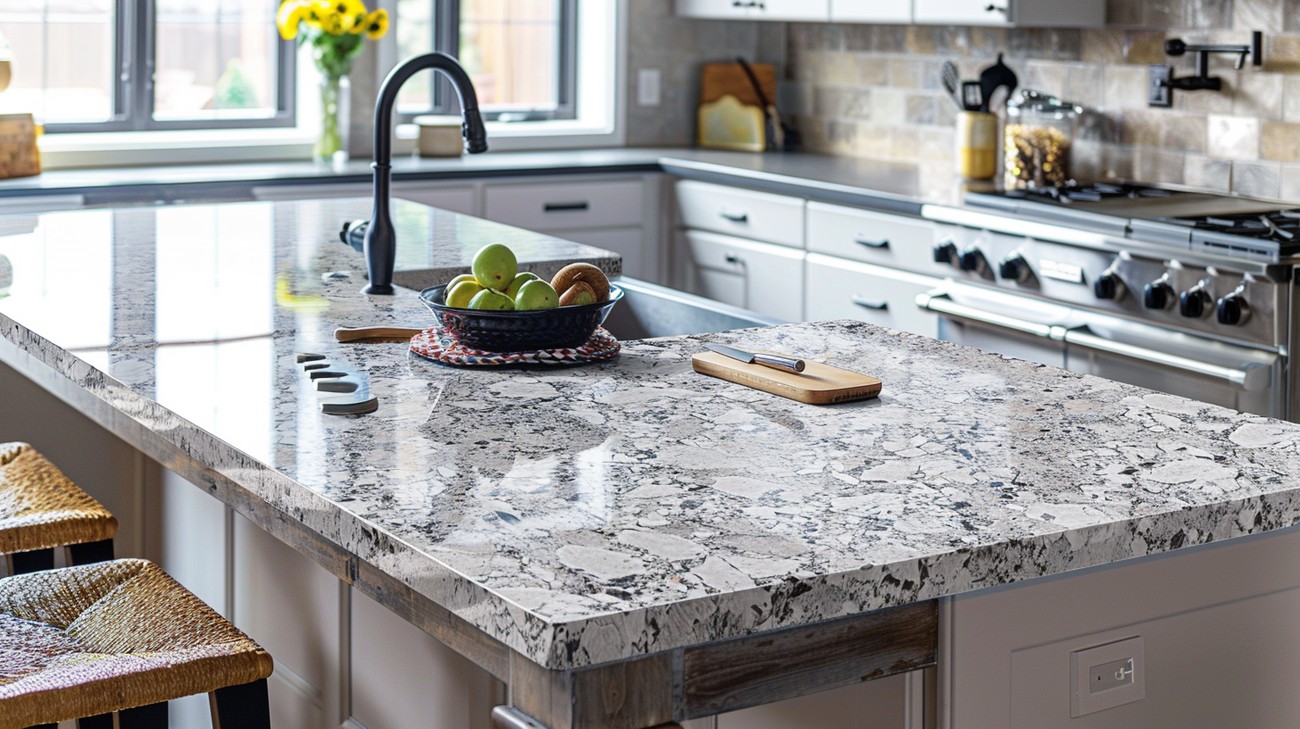
Quartz countertops come in a myriad of colors and patterns, from those that mimic natural stone like marble and granite to solid colors and innovative designs. Unusual or intricate patterns and colors generally cost more due to their manufacturing complexity.
Thickness of Material
Thickness impacts cost significantly. Standard countertops often measure 1cm, 2cm, or 3cm thick, with 1cm being less common. Thicker countertops not only provide a more substantial appearance but also increase the fabrication and material costs.
Installation Costs and Considerations
While the material cost is a vital component of the overall expenditure, installation is another substantial factor to consider. Professional installation ensures durability and appearance, but it does influence the quartz countertop price.
Labor Costs
Installation involves several steps, including measuring, cutting, and polishing, requiring specialized skills and equipment. Labor costs can vary significantly based on geographical location, with urban areas typically seeing higher prices.
Countertop Complexity
The complexity of your countertop layout can affect the installation cost. Intricate designs involving cutouts for sinks, faucets, and appliances will incur additional labor charges.
Edge Profiles
Different edge styles, such as bevel, bullnose, and ogee, contribute uniquely to aesthetic appeal and cost. More elaborate edges demand extra work and may raise the total installation price.
Average Quartz Countertop Price Range
With numerous influencing factors, quartz countertop prices can vary widely. Nevertheless, providing a typical cost range helps set realistic expectations.
- Material Prices: Depending on quality, quartz countertops generally range from $50 to $150 per square foot.
- Installation Costs: Expect to spend $30 to $90 per square foot on installation.
- Total Cost: For an average-sized kitchen, the total cost, including materials and installation, typically falls between $2,000 and $5,000.
Budgeting Tips for Quartz Countertops
Navigating through different options and factors can feel overwhelming, but some tips can help you stay within your budget without sacrificing style and quality.
Consider Lowered Thickness
Opt for a thinner slab, such as a 2cm version, if you're tight on budget. It can provide the elegance of quartz while saving costs on material and installation.
Choose Popular Colors
Neutral and classic colors are often more budget-friendly while maintaining the timeless elegance quartz offers, unlike trendy or exotic hues.
Plan and Simplicity
Keep your design simple to minimize installation complexities and costs. Reducing the number of seams, cutouts, and complex edge profiles can lower the overall expense.
Frequently Asked Questions about Quartz Countertops Price
How much do quartz countertops typically cost?
The price of quartz countertops can vary significantly depending on several factors. On average, homeowners can expect to pay between $50 to $200 per square foot for quartz countertops, installed. This price range includes both the cost of materials and the labor for installation. Factors influencing the cost include the brand of quartz, the complexity of the installation, any custom edge profiling, and regional differences in labor costs.
Are there cheaper alternatives to quartz countertops?
Yes, there are more affordable alternatives to quartz countertops if you’re looking to reduce costs. Options such as laminate, solid surface materials, or tile can provide a similar aesthetic at a lower price point. However, these alternatives may not offer the same level of durability or the non-porous properties of quartz, which resists stains and bacteria. Weighing the initial investment with long-term benefits is important when considering alternatives.
Does the brand of quartz affect its price?
Absolutely, the brand does impact the cost of quartz countertops. Premium brands like Caesarstone, Cambria, and Silestone are often priced higher due to their reputation for quality, durability, and extensive color and design options. Lesser-known or generic brands may offer similar aesthetics at a lower price point, which can be appealing if you're budget-conscious. However, it's crucial to ensure that any lower-priced option still meets your standards for quality and longevity.
Why do labor costs vary for quartz countertop installation?
Labor costs for quartz countertop installation can vary due to factors like geographical location, the complexity of the project, and the experience level of the installers. Urban areas, where demand and cost of living are higher, often incur greater labor expenses compared to rural areas. Furthermore, intricate designs, custom edges, or installations requiring additional support or unusual cuts may also add to the labor cost. It's wise to get multiple quotes from certified professionals to ensure a fair rate.
How can I calculate the total cost for quartz countertops?
To calculate the total cost of quartz countertops, you will need to know the area of your countertop space in square feet. Multiply this by the per square foot cost of the quartz you've chosen. Don’t forget to include additional costs for installation, which may be stated as a separate charge or embedded within the per square foot price. Also consider any extra fees for custom edges, cutouts for sinks or appliances, and variations in labor rates. Getting detailed quotes from suppliers and installers will help you avoid any hidden costs.
Does the thickness of quartz impact its price?
Yes, the thickness of quartz slabs can significantly affect the price. Standard thicknesses range from 1.2 cm to 3 cm, with 2 cm and 3 cm being most popular for countertops. Thicker slabs are generally more desirable for their durability and look more substantial, leading to higher costs. Conversely, thinner slabs may require additional support structures, which can negate initial savings and result in a price difference that's less than expected.
What additional costs should I consider when budgeting for quartz countertops?
When budgeting for quartz countertops, consider additional costs beyond the materials and installation. These can include fees for removing existing countertops, plumbing adjustments, or securing permits if required. Custom features such as unique edges or integral sinks can also add to the cost. Moreover, if your project includes a complex or challenging layout, you might face additional customization charges. It's critical to communicate with your installer to understand all potential costs upfront.
Are there financing options available for purchasing quartz countertops?
Many retailers and contractors offer financing options to help manage the cost of quartz countertops. These may include payment plans or interest-free financing for a set period. Additionally, home improvement loans or using a credit line may be viable options if favorable terms are offered. Always assess the terms carefully to ensure that the financing option aligns with your budget and does not lead to an unwarranted increase in your overall expenditure.
How can I find discounts or deals on quartz countertops?
To find discounts or deals on quartz countertops, consider shopping during seasonal sales or promotional events, which often occur around major holidays. Suppliers may offer discounts on older or discontinued styles. Visiting local showrooms or contacting manufacturers directly can sometimes yield better pricing opportunities. Another strategy is to purchase in bulk if you're renovating multiple spaces at once, allowing for potential discounts due to the higher volume of material.
Cost Breakdown
Typical Price Ranges
When considering quartz countertops for your kitchen or bathroom, you’re likely looking at a price range between $50 and $150 per square foot, including installation. Most homeowners spend an average of $75 to $100 per square foot. For a typical kitchen, this can translate to a total cost of $2,000 to $4,500, depending on the size and complexity of the layout.
Factors That Affect Cost
Several factors influence the price of quartz countertops:
Brand and Quality: Just like any product, the brand of quartz can greatly affect the cost. High-end brands such as Caesarstone or Silestone might tip towards the higher side of the spectrum, while lesser-known brands might offer more budget-friendly options.
Color and Pattern: Quartz comes in a variety of colors and patterns. Rare or popular colors can increase the cost due to higher demand or limited availability. Unique patterns that closely mimic natural stones can also be more expensive.
Thickness: The standard thickness for quartz countertops is 1-1/4 inches. However, opting for a thicker slab can add to the expense. Conversely, a thinner slab, although less expensive, could require additional support and labor costs.
Customization: Custom edges or shapes, integrated sinks, and waterfall designs typically add to the overall cost. The more intricate the design, the more it can drive up the final bill.
Cost Comparison (Budget vs Premium Options)
Budget quartz countertops usually fall between $50 and $70 per square foot. These options typically include simpler colors and patterns with basic edge profiles. For a modest 30-square-foot kitchen, you might spend around $1,500 to $2,100.
On the flip side, premium options range from $100 to $150 per square foot. These higher-end choices often include more vibrant or exotic colors and advanced edge profiles. High-end kitchens with 50 square feet of countertop space might see costs upwards of $5,000 to $7,500.
Hidden Costs to Consider
While the material is the main expense, hidden costs can sneak into your budget if you're not careful:
Installation: Sometimes, the quoted price might not include installation. Be sure to clarify this detail upfront.
Removal of Old Countertops: If you’re replacing existing countertops, removing and disposing of them will add to the expense, generally ranging from $200 to $300.
Cutouts and Custom Work: Each cutout for sinks or cooktops can cost extra, often between $100 and $300 per cutout.
Seam Joining: For larger countertops, seams might be necessary. Ensuring they are inconspicuous can demand skilled labor and higher costs.
Ways to Save Money
There are several strategies to rein in costs without sacrificing quality or style:
Final Thoughts
Understanding the factors that influence quartz countertops price can empower you to make a wise investment for your home. With their durability and aesthetic appeal, quartz countertops are often worth the initial cost, especially when you consider their longevity and low maintenance needs.
If you're in Greenville, SC, and thinking about upgrading your space, we at Pro Tile & Remodeling are here to help. We invite you to reach out for a consultation or to request a free estimate. Let us guide you through the options and find the perfect quartz countertops that fit both your style and budget.


