
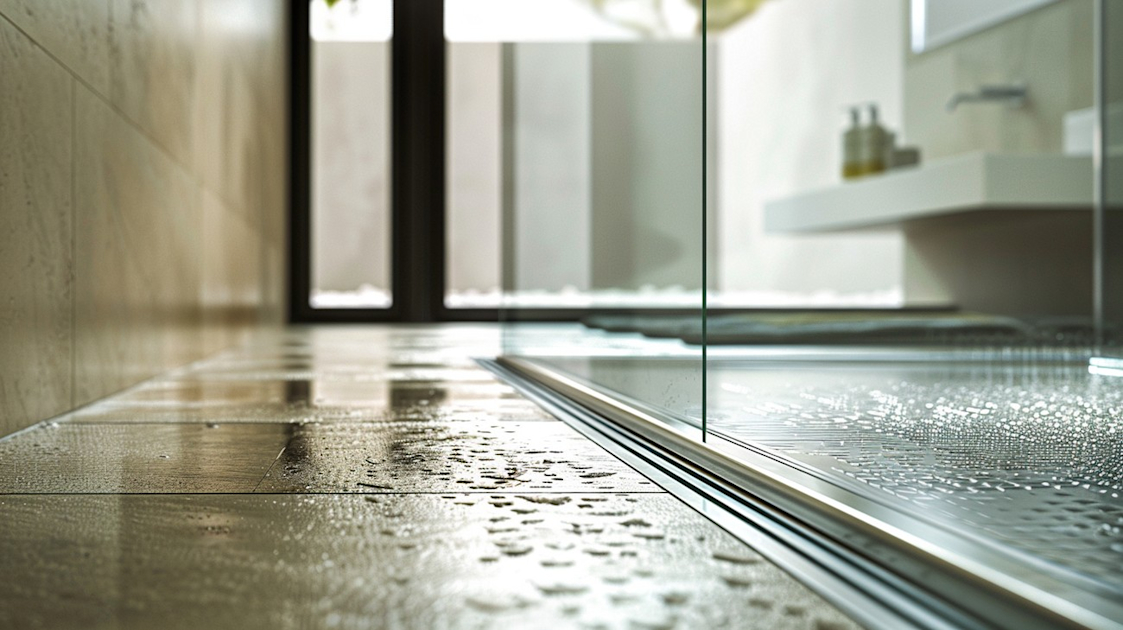


The bathroom, an essential space in every home, is where design meets functionality. And within this space, the shower area deserves special attention, particularly the shower threshold. Whether you're renovating, building new, or just curious, understanding the role and versatility of shower thresholds can make a significant difference. Let's dive into the world of shower thresholds, exploring their purpose, types, installation tips, and maintenance.
What is a Shower Threshold?
A shower threshold is the raised edge or barrier at the entrance of the shower area. It commonly serves two crucial purposes: preventing water from spilling out of the shower and contributing to the overall aesthetic of the bathroom. Although it may seem like a minor detail, the threshold plays a pivotal role in both form and function.
Importance of a Shower Threshold
A well-designed shower threshold offers more than just a barrier against water leakage. Here's why it's important:
Water Containment
The primary purpose of a shower threshold is to keep water within the designated shower area, ensuring that your bathroom floor remains dry and safe. This helps prevent slip hazards and water damage.
Accessibility
While the traditional threshold provides a water barrier, there are also options designed for accessibility, accommodating those with mobility challenges. A curbless or low-threshold design ensures easy entry and exit, which can be essential for elders or individuals with disabilities.
Aesthetic Appeal
The right shower threshold can enhance the overall appearance of a bathroom. Available in various materials and designs, a threshold can complement any style, from sleek and modern to rustic and traditional.
Types of Shower Thresholds
Shower thresholds come in different styles and materials. Choosing the right one depends on your specific needs, preferences, and bathroom layout.
Curbed Threshold
The most common type, a curbed threshold, is a raised barrier that effectively keeps water inside the shower area. These are particularly popular in traditional shower setups.
Curbless Shower Threshold
Also known as a barrier-free threshold, this style is flush with the bathroom floor, facilitating easy access. It's an ideal choice for contemporary designs and accessibility-focused bathrooms.
Half-Curbed Threshold
A half-curbed threshold combines elements of both curbed and curbless designs. It features a small step, which reduces the water spread but still offers easier access compared to a full curb.
Material Choices
When selecting a shower threshold, materials play a significant role in durability and aesthetics. Here are some common options:
- Ceramic or Porcelain: Known for their water resistance and easy maintenance, these materials come in various colors and styles.
- Marble or Granite: Offering a luxurious touch, these materials are both beautiful and durable but may require more maintenance.
- Acrylic or Fiberglass: Lightweight and budget-friendly, these materials are easy to install and maintain.
Installation Tips for Shower Thresholds
Installing a shower threshold can be a DIY project if you have the right tools and skills. However, professional installation may be beneficial to ensure a waterproof and aesthetically pleasing finish.
Tools and Materials Needed
Before beginning the installation process, gather the necessary tools and materials:
- Measuring tape
- Level
- Tile cutter or saw
- Waterproof adhesive
- Sealant
- Grout (if applicable)
Step-by-Step Installation
Measure the Area: Determine the size and location of the threshold based on your shower design.
Prepare the Surface: Ensure the area is clean and dry for a strong adhesive bond.
Cut the Threshold Material: Using a tile cutter or saw, trim the threshold material to fit the measured area.
Apply Adhesive: Evenly spread the waterproof adhesive on the installation area to secure the threshold in place.
Position the Threshold: Carefully place the cut threshold, ensuring alignment with the shower floor.
Check the Level: Use a level to verify that the threshold is even.
Seal the Edges: Apply sealant to the edges of the threshold to prevent moisture penetration.
Finish with Grout: If using tile, apply grout between any joints for a polished finish.
Maintenance and Care
To keep your shower threshold in top condition, consider these maintenance tips:
- Regular Cleaning: Use mild cleaners to prevent soap scum and mineral buildup.
- Inspect Seals: Periodically check the sealant for cracks or wear and reapply as necessary.
- Address Trapped Moisture: Ensure your bathroom is well-ventilated to prevent mold and mildew around the threshold.
Frequently Asked Questions about Shower Thresholds
How do I measure for a shower threshold?
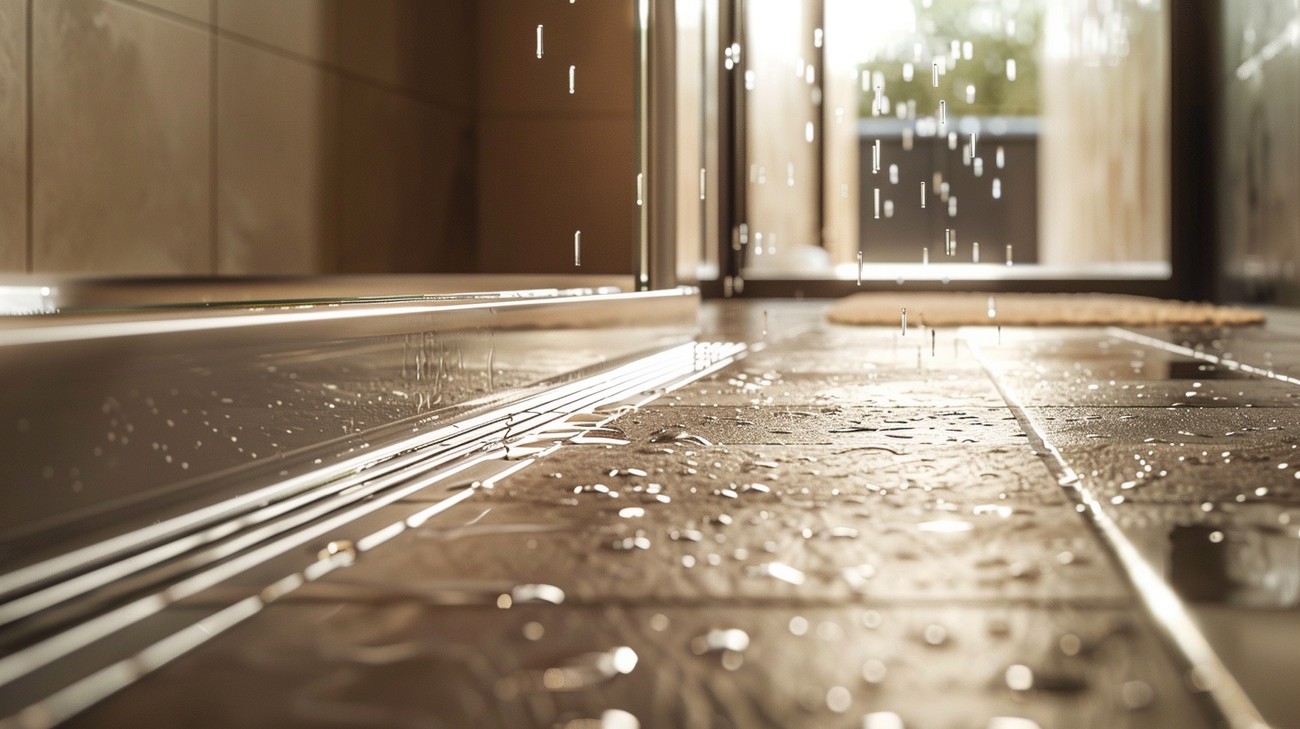
To accurately measure for a shower threshold, you need to assess the width of your shower entrance. Use a tape measure to measure the distance from wall to wall if there are walls on both sides, or from one wall to the open side in the case of a corner shower. Ensure that you also measure the height necessary to contain water within the shower area effectively. It's important to take multiple measurements at different points to ensure consistent results, accounting for any possible irregularities in the walls or flooring.
What materials can be used for a shower threshold?
Shower thresholds come in a variety of materials including marble, granite, tile, and even acrylic. Each material offers its own benefits: marble and granite provide a luxurious appearance and are highly durable; tile is versatile and can match most bathroom decors; acrylic is an affordable and lightweight option. When selecting a material, consider factors such as durability, water resistance, and maintenance needs to ensure your threshold meets both practical and aesthetic requirements.
Why is a shower threshold important for a bathroom?
The shower threshold plays a critical role in a bathroom by serving as a barrier to prevent water from escaping the shower area. This helps to keep the rest of the bathroom dry, minimizing the risk of water damage and reducing the potential for mold and mildew growth. Additionally, a well-designed threshold can enhance the overall look of the bathroom, adding both functionality and style.
Can I install a shower threshold myself or should I hire a professional?
Installing a shower threshold can be a DIY project if you have the necessary skills and tools. However, if you are unsure about cutting the material accurately or sealing it effectively to prevent water leakage, hiring a professional may be the best option. Professionals have the experience to ensure a perfect fit and long-lasting installation, which is essential for preventing water damage and maintaining the structural integrity of your bathroom.
Are there maintenance tips for keeping my shower threshold in good condition?
Maintaining your shower threshold involves regular cleaning and inspection. Use a non-abrasive cleaner to avoid scratching the surface, especially if it is made of natural stone or tile. Check for signs of wear or damage, such as cracks or chips, and repair them promptly to prevent further issues. Sealing stone thresholds annually can also help to protect them from moisture and stains. Regular maintenance will not only prolong the life of the threshold but also keep it looking its best.
What are common issues faced with a shower curb?
Common issues with a shower curb include water leakage, cracks, and wear over time. Water leakage can occur if the threshold is not properly sealed or if there are gaps in sealing material. Cracks may develop from age or impact, compromising the threshold's ability to keep water contained. Addressing these issues immediately is crucial to avoid additional damage to both the shower area and the rest of the bathroom.
Can a shower barrier be replaced without redoing the entire bathroom?
Yes, it is entirely possible to replace a shower barrier without renovating the entire bathroom. This process involves carefully removing the existing threshold and installing a new one. You should match the new threshold to the existing flooring and wall materials to ensure aesthetic consistency. Be sure to select a threshold that fits the current dimensions of your shower to avoid extensive modifications.
What designs are available for shower curbs?
Shower curbs are available in a plethora of designs to suit different tastes and bathroom styles. From simple, sleek designs for modern bathrooms to more intricate patterns for a traditional feel, you can find a threshold to complement any decor. Some designs offer integrated slopes for improved water drainage, while others come with a textured surface to provide better grip and enhance safety. The array of design options allows homeowners to find a threshold that not only functions well but also enhances the bathroom's visual appeal.
The Pros and Cons of Shower Thresholds
Pros
Easy Accessibility
One of the big draws of having a shower threshold, especially if it's a low one, is the ease of getting in and out of the shower. This is especially beneficial for those with mobility issues, like the elderly or anyone recovering from an injury. You don't have to lift your legs high, which reduces the risk of tripping.
Keeps Water Contained
A well-designed shower threshold can do wonders for keeping water where it belongs—inside the shower. This means less mopping up after every shower and a dryer bathroom floor, which is always appreciated, especially during those early morning groggy-eyed showers.
Variety of Designs
Shower thresholds come in many styles, from seamless and sleek to traditional and ornate. This means you can find something that matches your bathroom decor perfectly. Whether updating for style or sticking with a classic look, the options are plentiful.
Potential for Barrier-Free Showers
If you opt for a low or minimalistic threshold, you can approach the elusive barrier-free shower setup. This can create a modern and sleek look for your bathroom and increase accessibility, making your shower space feel larger and more open.
Enhanced Safety
Many thresholds have texturing or anti-slip surfaces, making them safer when stepping in and out of the shower. This context adds an extra layer of security, which is particularly good for households with kids or elderly residents.
Cons
Water Leakage Concerns
When not properly designed or installed, shower thresholds can fail in their primary duty of keeping water in the shower area. This might lead to dreaded water leakage, potentially damaging your floor or leading to mold issues, which nobody wants to deal with.
Tripping Hazard
Conversely, higher thresholds can become an obstacle, especially for small children, seniors, or anyone not paying full attention. An awkward step could lead to a stubbed toe or, worse, a fall, so it’s crucial to balance height with safety needs.
Cleaning Challenges
Cleaning around shower thresholds can become a bit of a chore. Dirt, soap scum, and mildew love to settle in the nooks and crannies, turning your cleaning routine into a workout. Regular maintenance is key to keeping it shining, but it can be a time-consuming task.
Limits Design Options
While there is much variety among shower thresholds themselves, having one might limit your overall shower and bathroom design. If you're dreaming of an open, spa-like wet room, thresholds can cramp that vision, pushing you towards a more traditional setup.
Possible Installation Costs
Shower thresholds often require professional installation, especially if you're looking to seamlessly incorporate it into your existing bathroom setup. This can drive up renovation costs, and unless you're handy with DIY, it's another expense to budget for.
Final Thoughts
Getting the right shower threshold can significantly impact both the functionality and aesthetic of your bathroom. It's important to choose a design that not only complements your space but also prevents water from spilling out, ensuring a safe and enjoyable showering experience. Whether you’re building a new bathroom or remodeling an existing one, understanding the various styles and materials available will help you make the best choice for your home.
If you’re in Greenville, SC, and looking for expert help with your shower threshold or any other remodeling project, we at Pro Tile & Remodeling are here for you. Our team is ready to assist you in creating a beautiful and functional bathroom tailored to your specific needs. Don’t hesitate to reach out to us for a consultation or to request a free estimate—we’d love to help bring your vision to life!


