
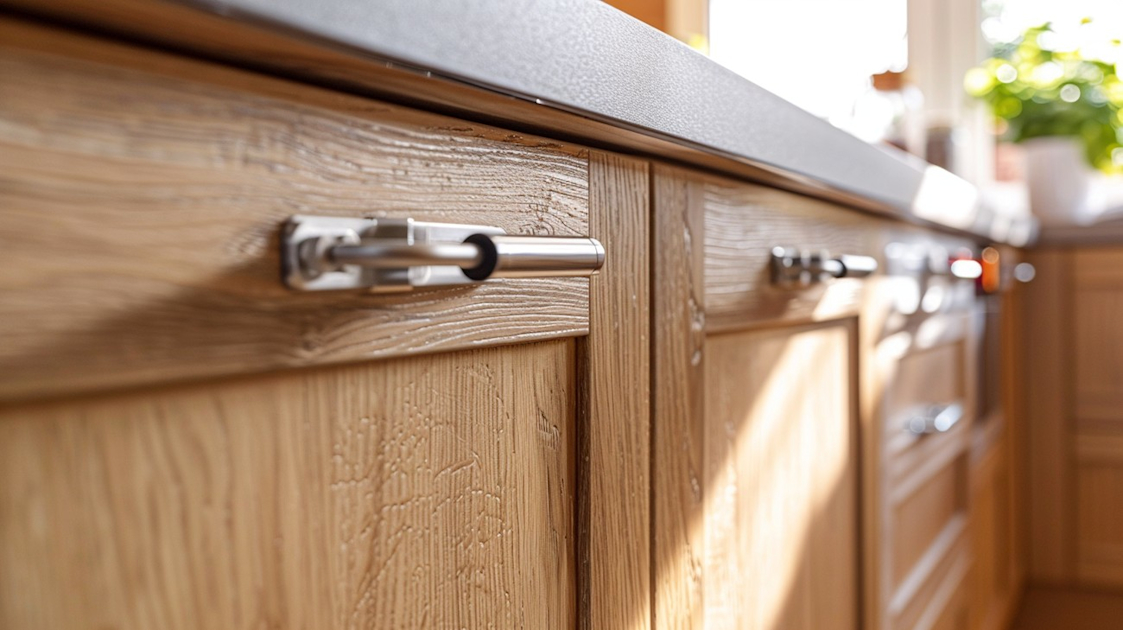


When embarking on a kitchen renovation or simply updating your cabinetry, one crucial aspect that requires careful attention is choosing the right hardware. Among the many types of hardware available, soft close cabinet hinges have emerged as a favorite for both professionals and homeowners alike. These modern marvels seamlessly blend form and function, providing an enhanced user experience while contributing to the longevity of your cabinetry. In this article, we’ll dive deep into everything you need to know about soft close cabinet hinges, from their benefits to installation, and why they have become an essential component of modern interior design.
What Are Soft Close Cabinet Hinges?
Soft close hinges are a type of cabinet hinge equipped with a hydraulic mechanism that enables doors to close silently and gently. Unlike traditional hinges, which can cause doors to slam shut and create noise and potential damage to the cabinet's structure, soft close hinges ensure that the door closes smoothly, reducing wear and tear over time.
Advantages of Using Soft Close Hinges
Soft close cabinet hinges offer a multitude of benefits, making them a popular choice for kitchens all over the world. Here are some key advantages:
Enhanced Longevity
The gentle closing action of soft close hinges significantly reduces stress and impact on cabinet doors and frames. This advantage extends the life of your cabinetry, minimizing the need for frequent repairs or replacements due to wear-related damage.
Noise Reduction
Say goodbye to the jarring sound of slamming cabinet doors. Soft close hinges quietly usher your cabinet doors to a close, which is particularly beneficial in households with young children or during late-night kitchen visits when silence is golden.
Improved Safety
Soft-close mechanisms help prevent pinched fingers, especially in homes with small children. The slow-closing feature gives enough time for fingers to move out of the way, drastically reducing the risk of injury.
Aesthetic Appeal
Modern kitchen designs often prioritize clean lines and sleek finishes. Soft close hinges contribute to this aesthetic by ensuring that cabinet doors sit flush, maintaining the design integrity of your cabinetry without the need for visible external accessories.
Types of Soft Close Hinges
There are several types of soft close hinges available on the market, each designed to meet specific cabinetry needs. Here’s a look at the most popular varieties:
Overlay Hinges
Overlay hinges are the most commonly used type of hinge in kitchen cabinets. They are designed in such a way that one edge of the door overlays the side of the cabinet when closed.
Inset Hinges
These hinges allow the cabinet door to sit flush inside the cabinet frame. Inset hinges are often used in traditional kitchen designs where a seamless look is desired.
Partial Wrap Hinges
Partial wrap hinges offer a more secure mounting as they have an additional hook-over feature that wraps around the edge of the cabinet frame, providing increased stability.
How to Select the Right Soft Close Hinge
Choosing the appropriate soft close hinge hinges on a variety of factors, including door type, cabinet design, and personal preference.
Consider Door Type and Weight
Heavier doors require stronger hinges with robust hydraulic mechanisms to provide the desired soft-closing functionality. Always check the manufacturer's recommendations for door weight suitability when selecting hinges.
Match with Cabinet Style
To maintain the visual appeal of your kitchen, choose hinges that complement your cabinet style. For frameless cabinets, use concealed hinges, while traditional or classic kitchens may benefit from partial wrap hinges.
Installation Process
Installing soft close hinges can be a DIY project if you have the right tools and a bit of patience. Here's a basic guide to help you get started:
Tools Required:
- Screwdriver
- Drill (if installing new holes)
- Measuring tape
- Pencil for marking
Steps:
Mark the Placement: Determine the position of the hinges on the cabinet door. Generally, hinges are placed 2 inches from the top and bottom edge of the door.
Drill Holes: If your cabinets don’t already have pre-drilled holes, use a drill to create them based on your markings.
Attach the Hinges: Fasten the hinges to the cabinet door using screws. Make sure they are secure but do not overtighten.
Mount to Cabinet Frame: Align the door with the cabinet frame and secure the hinges onto the frame.
Test the Closure: Open and close the door to ensure the soft close mechanism is functioning correctly. Make any necessary adjustments.
Maintaining Soft Close Hinges
While soft close hinges are low-maintenance, certain practices can ensure their functionality for years to come.
- Regularly check screws and fastenings to ensure they are tight.
- Clean the hinges occasionally with a mild detergent to remove any grease or dirt.
- Avoid excessive force when opening or closing the doors to maintain the integrity of the hydraulic mechanism.
FAQ: Soft Close Cabinet Hinges
How do soft close cabinet hinges work?
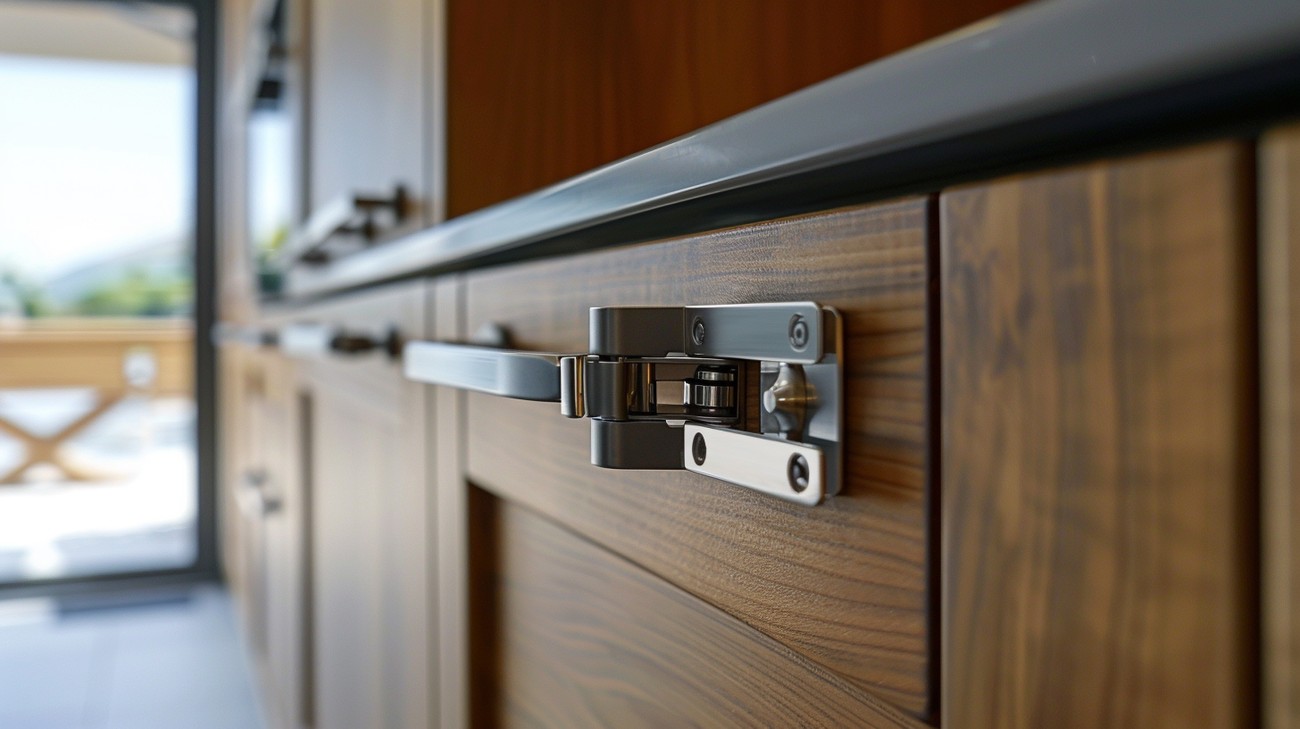
Soft close cabinet hinges feature a specialized mechanism that allows cabinet doors to close gently and quietly. This is achieved through hydraulic or piston technology integrated within the hinge, which controls the door's movement, slowing it down as it approaches the cabinet frame. This ensures a smooth and noise-free operation and extends the lifespan of both the cabinet doors and the hinges themselves, by preventing the kind of sudden slamming that can cause damage over time.
Are soft close cabinet hinges easy to install?
Yes, installing soft close cabinet hinges is generally straightforward, especially if you're replacing existing hinges with the same type. Most modern soft close hinges come with a cup and plate design that allows for easy alignment and secure attachment to both the cabinet door and frame. Basic tools like a screwdriver, a drill, and a tape measure are typically all you need for installation. However, if you're upgrading from non-soft close hinges, additional adjustments to the cabinet door or frame dimensions may be necessary.
Can I retrofit my current cabinets with soft close hinges?
Absolutely, retrofitting existing cabinets with soft close hinges is a common and effective way to upgrade your kitchen or bathroom for improved functionality. You will need to ensure that the new soft close hinges match or are compatible with your current cabinet configuration. Depending on the original hinges, some additional drilling or mounting may be required, but in many cases, this can be done with minimal effort and without the need for professional assistance.
Do soft close cabinet hinges require maintenance?
Soft close cabinet hinges are designed to be low-maintenance. However, periodic checks and basic maintenance can keep them functioning smoothly. This might include cleaning the hinges to prevent dust and debris buildup and tightening any loose screws to ensure they stay in place. Lubricating the hinge as needed with a silicone spray can also help maintain its soft closing function, though make sure the product is safe for use on cabinet hardware to avoid any damage.
Are there different types of soft close cabinet hinges?
Yes, soft close cabinet hinges come in various types to suit different cabinet styles and installation preferences. The most common types include concealed hinges, also known as Euro hinges, which are hidden inside the cabinet and offer a sleek aesthetic. There are also face frame hinges, which are visible and are often used in traditional cabinetry styles. Inset hinges, on the other hand, ensure the cabinet door sits flush within the frame, offering a completely different look. Each type of hinge has its specifics, so choosing the right one depends on your cabinet style and design goals.
Why should I choose soft close hinges over traditional ones?
Soft close hinges provide several benefits over traditional cabinet hinges, mainly in terms of noise reduction, safety, and durability. By preventing accidental slamming, they protect the cabinet structure from repeated stress, reducing wear and tear over time. The quiet closure is especially beneficial in kitchens or bathrooms, where the constant activity can become noisy. Moreover, they improve safety, eliminating the risk of pinched fingers, making them a favorite choice for families with young children.
Can soft close cabinet hinges support heavy doors?
Soft close cabinet hinges are designed to accommodate a range of door weights, including heavy doors. However, it's important to select hinges rated for the specific weight of your cabinet doors. Manufacturers typically provide guidance on the load-bearing capabilities of their hinges. If your cabinet doors are particularly heavy or non-standard, you may require specialized soft close hinges or additional support, such as extra hinges, to ensure proper operation and longevity.
What should I consider when buying soft close cabinet hinges?
When purchasing soft close cabinet hinges, consider the type of cabinet and door you have—such as frameless or face-frame designs—and whether your doors are overlay, inset, or partial overlay. Also, consider the weight and dimensions of your cabinet doors to ensure the hinges can support them effectively. Look for quality construction materials like steel or nickel-plated options for durability, and check for compatibility with your existing cabinets to facilitate an effortless installation process. Additionally, browsing customer reviews and comparing brands can provide insights into performance and reliability.
How do I adjust soft close cabinet hinges?
Adjusting soft close cabinet hinges typically involves using the adjustment screws located on the hinge body. These screws allow you to modify the hinge's alignment in three directions: vertically, horizontally, and depth-wise. Horizontal adjustments position the door closer to or farther from the cabinet edge. Vertical adjustments align the door's height with adjacent cabinets or frames. Depth adjustments determine how far the door protrudes from the cabinet frame. By turning these screws incrementally, you can fine-tune the hinge position, ensuring flawless cabinet door alignment and closure.
Buyer's Guide: What to Look For
Key Factors to Consider
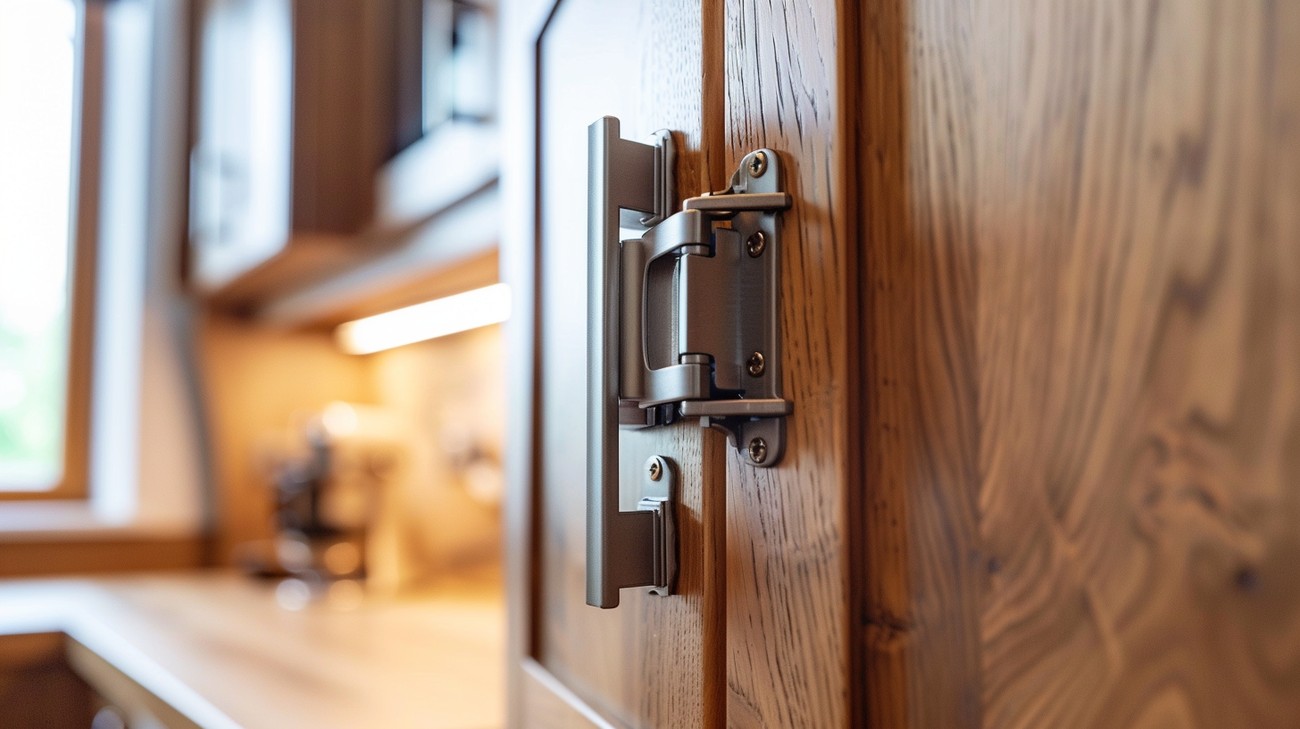
Material and Finish: Look for hinges made from durable materials like stainless steel or zinc alloy, which offer excellent corrosion resistance and longevity. The finish should match or complement your cabinet hardware—options range from chrome and nickel to oil-rubbed bronze.
Compatibility and Fit: Ensure that the hinges are compatible with both your cabinet style and door thickness. European-style cabinets might require entirely different hinges compared to face-frame cabinets.
Number of Hinges Required: Calculate the number of hinges you need based on the size and weight of cabinet doors. Heavier doors need additional hinges to ensure proper support and functionality.
Adjustability: Soft close hinges with multi-way adjustability ensure you can easily align the cabinet doors for a smooth open-and-close motion. Check for variables like vertical, horizontal, and depth adjustments.
Ease of Installation: Consider whether you're comfortable installing the hinges yourself or if it requires professional installation. Some hinge models feature a quick-release mechanism making installation and adjustments straightforward.
Must-Have vs Nice-to-Have Features
Must-Have Features:
- Soft Close Mechanism: This is the primary feature; it provides gentle closing, reducing noise and wear on the cabinet.
- Durability: Choose hinges with a solid build, ensuring your cabinets withstand daily use.
- Basic Adjustability: Necessary for proper alignment of the cabinet doors.
Nice-to-Have Features:
- Clip-On Design: Enables easy removal of cabinet doors without unscrewing hinges.
- Decorative Finish: While a robust finish is required, unique aesthetic touches can boost your kitchen’s visual appeal.
- Integrated Dampeners: Some models include additional dampeners for an ultra-smooth soft close.
Red Flags to Avoid
- Inconsistent Closing Action: Hinges that do not close smoothly or show resistance can indicate poor manufacturing or damage potential.
- Weak Construction: Avoid hinges that feel flimsy or are made of poor-quality plastic, as they will likely fail under prolonged use.
- Limited Adjustment Options: Steer clear of hinges offering minimal adjustability, as this can lead to alignment issues.
Questions to Ask Before Buying
- What is the cabinet door's weight and thickness? Understanding this will help determine the type and number of hinges required.
- Are these hinges compatible with my cabinet style? Ensures you pick hinges designed for easy integration with your cabinet construction.
- What range of adjustability do these hinges offer? A comprehensive range of adjustments ensures flawless alignment.
- Do these come with a warranty? A warranty offers peace of mind regarding the product’s quality and durability.
How to Spot Quality
- Brand Reputation: Opt for recognized and well-reviewed brands known for their quality and customer service.
- Customer Reviews: Real-world insights from other buyers can reveal how well these hinges perform in everyday use.
- Weight and Build: High-quality hinges often feel heavier and more robust than cheaper alternatives.
- Attention to Detail: Inspect how smoothly the hinge operates. Significant resistance or seemingly loose parts may indicate flaws.
- Corrosion Resistance: Evaluate the material and finish, especially if installing in high-moisture areas like kitchens or bathrooms.
Final Thoughts
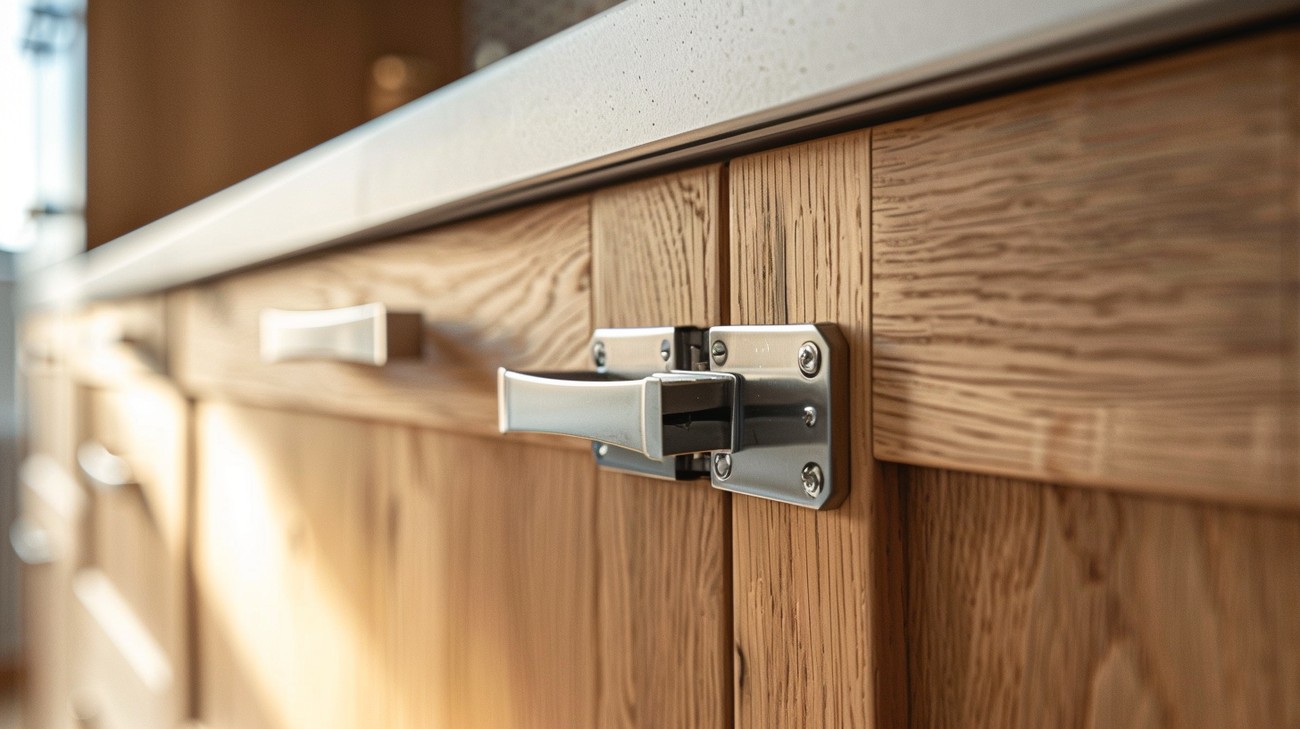
Soft close cabinet hinges are a simple yet effective upgrade for any kitchen, offering both style and functionality by ensuring doors close gently without slamming. They not only enhance the longevity of your cabinets but also create a quieter, more pleasant environment, which is especially appreciated in busy households. If you're considering remodeling your kitchen or simply updating your cabinets, these hinges are definitely worth the investment.
At Pro Tile & Remodeling, we understand how important it is for homeowners in Greenville, SC, to have a kitchen that reflects their style and meets their needs. If you're ready to take the next step towards a more functional and beautiful kitchen, we invite you to reach out to us for a consultation. Our team is here to help you explore the possibilities and find the perfect cabinet solutions for your home.


