
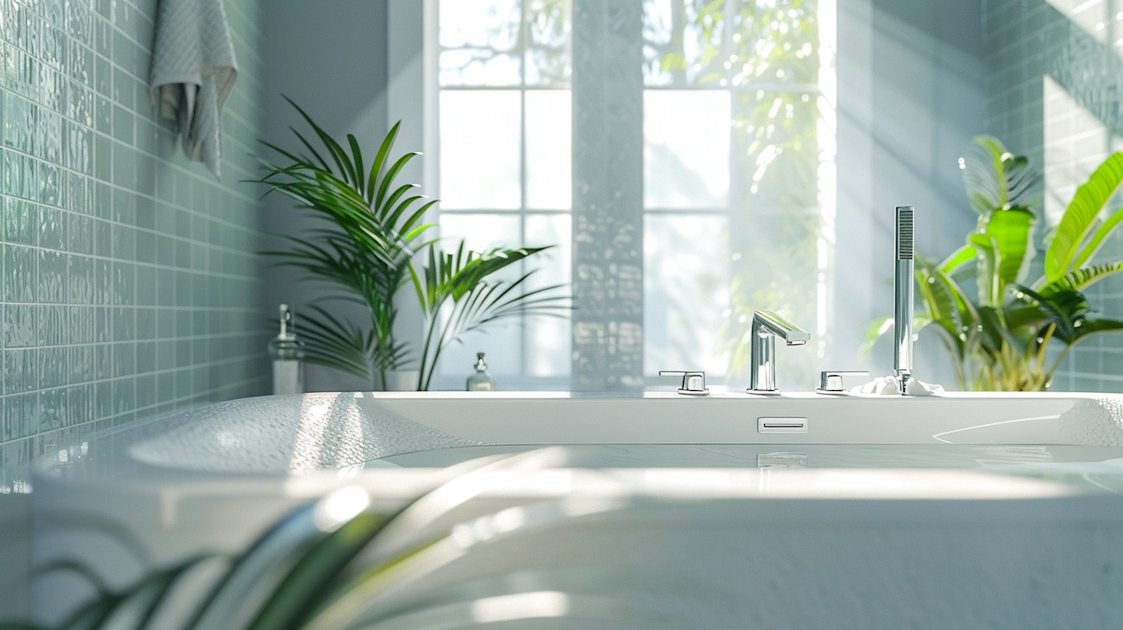


When it comes to updating your bathroom, one of the most striking transformations you can achieve is through a beautifully tiled tub surround. Not only does it serve as a functional component by protecting your walls from moisture, but a well-designed tile tub surround can also elevate the aesthetic appeal of your bathroom. In this comprehensive guide, we'll explore everything you need to know about tile tub surrounds, from choosing the right materials to installation tips and maintenance.
Why Choose Tile for Your Tub Surround?
Tiles are a popular choice for tub surrounds because they offer a unique combination of durability, variety, and style. Here are several compelling reasons to opt for tile:
- Durability: Tiles are inherently resistant to water, stains, and scratches, making them an ideal material for wet environments like bathrooms.
- Variety: With tiles, the design possibilities are virtually endless. You can choose from ceramic, porcelain, glass, and natural stone tiles in a wide array of colors, shapes, and sizes.
- Aesthetics: Whether your style is traditional, contemporary, or somewhere in between, there's a tile that will complement your vision.
- Maintenance: With regular sealing (if necessary) and proper cleaning, tile surrounds can maintain their beauty for years.
Types of Tiles for Tub Surrounds
Selecting the right type of tile for your bathroom can be overwhelming, given the myriad of choices available. Let's break down the most common options:
Ceramic Tiles
Ceramic tiles are a classic choice for a reason. They are affordable, easy to install, and available in many styles and colors. Ceramic tiles are glazed, which adds an extra layer of protection against moisture and staining.
Porcelain Tiles
Denser and less porous than ceramic tiles, porcelain tiles offer increased durability and are ideal for areas with high moisture exposure. They are also more resistant to chipping and wear, making them a great option for heavy-use bathrooms.
Glass Tiles
Glass tiles introduce a level of elegance and sophistication that other tiles might not achieve. With their reflective surfaces, glass tiles can help brighten a space by bouncing light around the room. They also resist mold and mildew quite well.
Natural Stone Tiles
For a truly luxurious look, natural stone tiles such as marble, granite, or travertine are wonderful options. Each stone tile has unique veining and color variations, adding a distinctive character to your bathroom. Keep in mind, however, that natural stone requires sealing to protect against moisture and staining.
Planning Your Tile Layout
A successful tile tub surround installation starts with a well-thought-out plan. Consider the following when determining your layout:
Measure and Calculate
- Measure the height and width of each wall that will be tiled to determine how many tiles you’ll need.
- Consider the size of the tiles and the desired grout line thickness when calculating your materials.
Choose a Pattern
Your choice of pattern can drastically change the room's vibe. Here are a few popular options:
- Straight Lay: This simple pattern aligns tiles in a grid-like fashion and is a great option for making small bathrooms feel more spacious.
- Subway Tile: The classic brick-like arrangement of subway tiles is both timeless and versatile.
- Diagonal or Diamond: Arranging tiles at a 45-degree angle adds a dynamic touch to your design.
Incorporate Accents and Borders
Using accent tiles or borders can create a focal point and enhance the visual interest in your tub surround. Mosaic or decorative tiles can add a splash of color or pattern, integrating seamlessly with your overall bathroom décor.
Installation Tips for Success
While tiling can be a DIY-friendly project, getting it right requires patience and precision. Here are some tips to guide you through the installation process:
Prep the Surface: Ensure walls are clean, dry, and free from imperfections. Waterproof backer boards can provide an ideal surface for tiles.
Use the Right Adhesive: Mortar or mastic are common adhesives, but your choice may vary based on the tile material. Always follow the manufacturer's recommendations.
Grout Wisely: Choose a grout color that complements or contrasts with your tiles based on your design preference. Apply the grout evenly, and ensure it fills all gaps completely.
Seal as Required: For tiles like natural stone or certain porous options, applying a sealant can protect them from moisture and stains, extending their longevity.
Caring for Your Tile Tub Surround
Maintaining your tile tub surround is key to preserving its appearance and functionality. Here's how you can keep it looking pristine:
- Regular Cleaning: Use mild, non-abrasive cleaners to avoid scratching the tiles. A mixture of vinegar and water can be an eco-friendly option for everyday cleaning.
- Inspect Grout Lines: Grout can be susceptible to staining and mold. Periodically check grout lines and clean them with a specialized grout cleaner if they appear dirty.
- Seal Annually: Reseal tiles as necessary, especially if you've used natural stone, to maintain their water resistance.
Frequently Asked Questions about Tile Tub Surrounds
How do I choose the best tiles for a tub surround?
Selecting the best tiles for a tub surround involves considering various factors such as the bathroom's overall aesthetic, the tile's durability, and ease of maintenance. For a cohesive look, choose tiles that complement your bathroom decor and theme. Porcelain and ceramic tiles are popular for tub surrounds due to their water resistance and durability. Natural stone tiles, such as marble or travertine, offer a luxurious feel but may require more maintenance. Consider the size and shape of tiles for ease of installation and cleaning. Don't forget to factor in grout color, which can either blend with the tiles for a seamless look or contrast for a bold statement.
What are the benefits of using tile for a tub surround?
Using tile for a tub surround offers several advantages, including durability, waterproofing, and aesthetic versatility. Tiles are incredibly durable and can withstand the daily rigors of use without easily chipping or cracking. Proper installation and sealing create a waterproof barrier that protects the underlying wall from moisture damage. Additionally, tile tub surrounds come in numerous designs, colors, and textures, allowing homeowners to customize their bath area to reflect their personal style. Tiles are also relatively easy to clean and maintain, especially with the right sealing and regular care.
Are there special considerations for installing tile in a tub surround?
Yes, there are specific considerations when installing tile in a tub surround. Begin by ensuring the underlying surface is suitable for tiling, typically a cement board or water-resistant drywall. Waterproofing is critical to prevent moisture intrusion, so every effort should be made to seal the tiles and grout properly. It's also important to allow for a slight slope toward the tub to ensure proper drainage and avoid standing water. Selecting the right adhesive is crucial, as it must be strong enough to hold tiles in a humid environment. Finally, consider spacing and grout lines to maintain both aesthetics and ease of cleaning.
How do I maintain a tile tub surround?
To maintain a tile tub surround, routine cleaning and regular inspection are key. Clean the tiles and grout with a pH-neutral cleaner designed for tile surfaces to avoid damage. Pay special attention to grout lines, which can harbor mold and mildew if left unattended. To prevent mold growth, use a squeegee to remove excess water after each shower or bath, ensuring the area remains dry. Inspect the grout regularly for cracks or gaps, and reseal grout lines every six months to a year, depending on usage, to maintain their water-repellent properties. This not only helps to keep your tub surround looking its best but also prolongs the life of the installation.
Can I install a tile tub surround myself?
Installing a tile tub surround can be a DIY project if you have the right tools and a basic understanding of tile installation. Start by preparing the surface, ensuring it's clean, even, and primed for tiling. Measure the area carefully and plan your tile layout before applying any adhesive. Follow the product instructions for mortar or adhesive and use tile spacers to maintain even grout lines. After the tiles are set and dried, apply and seal the grout. Don't rush the curing process; allow ample time for each stage for the best results. If you’re inexperienced or unsure, consulting with or hiring a professional can ensure a high-quality finish and avoid costly mistakes.
Is a tile tub surround an expensive option?
The cost of a tile tub surround can vary widely based on the types of tiles chosen and the size of the area being covered. Basic ceramic tiles are generally affordable and can fit most budgets, whereas high-end materials like marble or custom glass tiles can significantly increase costs. Labor costs should be considered if hiring a professional installer. While the initial expense of a tile tub surround may be higher than other materials, the durability and long-lasting nature of tiles can make them a more cost-effective choice over time. Plus, there's the added value of increased aesthetic appeal and potentially higher home resale value.
Do tile tub surrounds require professional installation?
While it is possible to undertake a tile tub surround installation as a DIY project, professional installation might be advisable for complex designs, unique tile materials, or if you lack experience. Professional tilers have the expertise to ensure that the tiles are laid correctly, minimizing the risk of future issues such as water leakage or tiles loosening. Skilled installers can also guarantee an aesthetically pleasing result with neat grout lines and precise tile cuts. Hiring a professional can provide peace of mind and may be more cost-effective in the long run by preventing costly errors or repairs.
How do tile tub surrounds compare to acrylic or fiberglass options?
Tile tub surrounds offer distinct advantages over acrylic or fiberglass alternatives in terms of design flexibility and aesthetics. While acrylic and fiberglass surrounds are typically more affordable and easier to install, they come in limited styles and colors. In contrast, tile surrounds offer endless customization possibilities, allowing for a unique design that can reflect personal taste and complement bathroom decor. Though tiles may involve a more intensive installation, they provide better resistance to scratches and can easily be repaired if damaged. Additionally, tiles can add to the value of a home due to their durability and visual appeal. However, tile surfaces may require more maintenance in grout care to prevent mold and mildew.
Step-by-Step Guide
Tools/Materials Needed
- Tiles
- Tile spacers
- Tile adhesive or thin-set mortar
- Grout
- Grout float
- Tile cutter or wet saw
- Level
- Tape measure
- Notched trowel
- Rubber mallet
- Sponge
- Bucket
- Caulk and caulk gun
- Backer board
- Backer board screws
- Drill with screwdriver bit
- Pencil for marking
- Safety goggles
- Waterproofing membrane (optional)
Preparation Steps
Remove Old Tiles (if applicable): If you have existing tiles, gently remove them using a chisel and hammer. Start from the top and work downward.
Inspect the Wall: Ensure the wall is smooth, clean, and free of any defects. Any damage or mold should be repaired before proceeding.
Cut and Install Backer Board: Measure your tub surround area and cut the backer board accordingly. Secure it in place using backer board screws, ensuring a 1/8-inch gap between panels for expansion.
Apply a Waterproofing Membrane (Optional): To prevent water from seeping through, especially in areas prone to moisture, apply a waterproofing membrane over the backer board.
Detailed Instructions
1. Plan Your Layout
- Measure the height and width of your tub surround to determine how many tiles you need.
- Dry-fit the tiles starting from the bottom centerline and work your way outward and upward. This helps in visualizing cut pieces and aligns the pattern.
2. Mix the Tile Adhesive or Thin-Set Mortar
- Follow the manufacturer’s instructions to mix your adhesive, achieving a peanut butter-like consistency.
3. Apply Thin-Set Mortar
- Using a notched trowel, spread mortar over a small section of the backer board starting from the bottom.
- Maintain a 45-degree angle to ensure consistent application.
4. Set the Tiles
- Press the first tile into the adhesive with a slight twisting motion.
- Insert spacers between tiles for even spacing and continue placing tiles across the row.
5. Cut Tiles as Needed
- For edges or around fixtures, use a tile cutter or wet saw.
- Remember to wear safety goggles while cutting tiles.
6. Continue Tiling
- Work in small sections, applying mortar and setting tiles.
- Check each row with a level to keep everything straight.
7. Allow Tiles to Set
- Let the tiles set overnight or as per adhesive instructions.
8. Grouting
- Mix grout as instructed and use a grout float to fill the spaces between tiles.
- Wipe excess grout using a damp sponge, rinsing frequently to keep the tiles clean.
9. Seal the Grout
- Once grout is dry, apply a grout sealer to prevent staining and moisture penetration.
10. Caulk the Edges
- Use a caulk gun to apply silicone caulk along the edges where tiles meet the tub.
Tips for Success
- Buy Extra Tiles: Account for mistakes and future repairs by purchasing an additional 10% of your tile quantity.
- Maintain Consistent Adhesive Thickness: Ensures that tiles are even and secure.
- Trim with Care: Take your time when cutting tiles to avoid unnecessary waste.
What to Do If Something Goes Wrong
- Tiles Won’t Adhere Properly: Check if the adhesive is too thick or has started to dry out. Remove the old adhesive and reapply freshly mixed mortar.
- Tiles Aren’t Level: If you notice tiles aren’t uniform, remove them immediately and reapply them with more precision before the adhesive sets.
- Grout Cracks: If grout begins to crack, it may be due to improper mixing or drying conditions. Carefully remove the cracked grout and apply new grout, following instructions closely.
- Water Leakage: If water leakage occurs, check the caulking and grout sealing. Reapply caulk and ensure grout is properly sealed.
Common Mistakes to Avoid
1. Skipping Surface Preparation
Why it Happens: With eager anticipation to see your new tiles in place, skipping the vital preparation step might feel like a time-saver.
How to Avoid: Always start with a clean, dry, and stable surface before tiling. Ensure walls are free from old adhesive and any moisture damage is repaired.
What to Do if You've Already Made the Mistake: If you've placed tiles on an unprepared surface, they may not adhere properly. Carefully remove the tiles, clean and repair the surface, and start afresh.
Expert Recommendation: Invest time in prepping. Use a primer suitable for your wall type to improve adhesive bond, especially on water-resistant surfaces.
2. Incorrect Tile Selection
Why it Happens: The sheer variety of tiles can be overwhelming, leading to choices based on aesthetics over practicality.
How to Avoid: Choose tiles that are specifically designed for wet areas. Look for water-resistant and non-porous materials like ceramic or porcelain.
What to Do if You've Already Made the Mistake: If you've installed porous tiles, consider applying a high-quality sealant to protect them from water damage. This will need regular reapplication.
Expert Recommendation: Consult with a tile supplier or a professional before making a purchase to ensure you select the best tile for endurance and safety in a bath area.
3. Using the Wrong Adhesive
Why it Happens: It's easy to grab the wrong adhesive without realizing that different surfaces and tiles require specific formulations.
How to Avoid: Always match your adhesive to the material of your tiles and the conditions of your bathroom. Consult packaging or professional advice if uncertain.
What to Do if You've Already Made the Mistake: Remove tiles, scrape off the incorrect adhesive, and reapply using the correct product.
Expert Recommendation: Utilize modified thin-set mortar for a long-lasting bond on non-porous surfaces and high-moisture areas like tub surrounds.
4. Poor Grout Application
Why it Happens: Rushed application or using the wrong type of grout can lead to unattractive gaps or, worse, water leakage.
How to Avoid: Use waterproof grout for wet areas and allow it to cure properly without disturbance for the manufacturer's recommended time.
What to Do if You've Already Made the Mistake: If grout shows gaps, clean out improperly applied grout and reapply. Leaky grout might need sealing or removal if severely compromised.
Expert Recommendation: Consider a mildew-resistant grout that’s specifically formulated for bathroom environments, ensuring a long-term finish.
5. Ignoring Expansion Joints
Why it Happens: The need for expansion joints can be overlooked in the excitement to achieve a seamless look.
How to Avoid: Always incorporate gaps that allow your tiled surface to naturally expand and contract with temperature changes.
What to Do if You've Already Made the Mistake: If you notice buckling or cracking, carefully remove affected areas, then reinstall ensuring expansion spaces are included.
Expert Recommendation: Use silicone caulk or grout lines around the perimeter to handle the natural movement without compromising the integrity of your tiles.
6. Inadequate Waterproofing
Why it Happens: It might seem overkill to add waterproof layers if tiles are perceived as inherently water-resistant. How to Avoid: Include a waterproof membrane applied over the substrate before tiling to prevent moisture from seeping through and causing damage. What to Do if You've Already Made the Mistake: Consider using waterproofing options around the tub area now, such as applying a sealant over existing grout or, more comprehensively, installing a waterproof panel system. Expert Recommendation: Use waterproof backer boards beneath tile installations and apply a liquid membrane for excellent additional protection.
Final Thoughts
A well-designed tile tub surround can transform your bathroom into a stunning oasis while also providing practical benefits like durability and easy maintenance. We encourage you to carefully choose the right material, colors, and patterns to ensure your tiling not only fits your style but also withstands the test of time.
If you're considering a tile tub surround for your home in Greenville, SC, we're here to help. At Pro Tile & Remodeling, we take pride in guiding homeowners through the process every step of the way. Feel free to reach out to us for a consultation or to request a free estimate. Let’s bring your vision to life together!

