
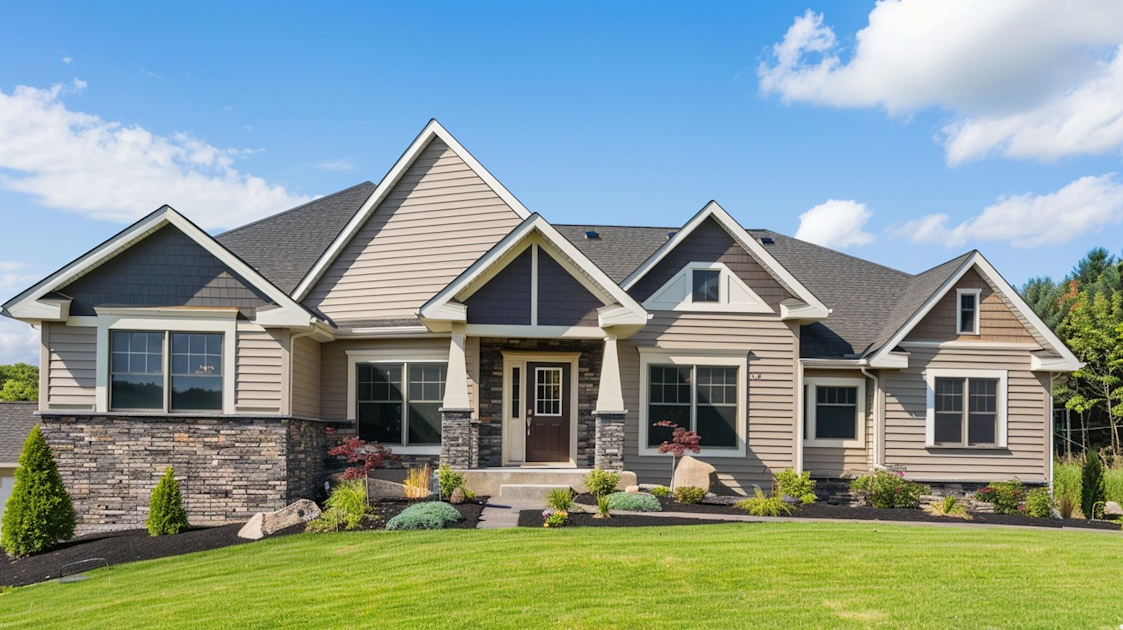


Vinyl siding has become one of the most popular choices for homeowners seeking to update their home's appearance. Known for its durability, aesthetic appeal, and minimal maintenance requirements, it's no wonder why this material is favored by many. In this comprehensive guide, we'll explore everything you need to know about vinyl siding, from its origins to installation tips, and maintenance strategies.
What is Vinyl Siding?
Vinyl siding is a type of exterior cladding made from polyvinyl chloride (PVC) resin. It was first introduced in the late 1950s as an alternative to aluminum siding. Over the years, it has undergone significant improvements in terms of durability, color options, and textures, making it a versatile and cost-effective choice for many homeowners.
Benefits of Vinyl Siding
Vinyl siding offers numerous advantages that make it a popular choice for many properties. Here are some key benefits:
- Durability: Vinyl siding is designed to withstand extreme weather conditions, including wind, rain, and snow. It doesn't rot, flake, or decay, making it a long-lasting option.
- Low Maintenance: Unlike wood, vinyl doesn't require regular painting or staining. A simple wash with soap and water is usually enough to keep it looking fresh.
- Cost-Effective: Vinyl siding is one of the most economical options available. It provides excellent value for money when compared to other siding materials such as wood, brick, or stucco.
- Energy Efficiency: Insulated vinyl siding can help reduce energy costs by creating a barrier against heat loss, improving the overall energy efficiency of your home.
Types of Vinyl Siding
Horizontal Vinyl Siding
Horizontal siding is the most common type, offering a classic look that complements a variety of architectural styles. It comes in various profiles such as clapboard, Dutch lap, and beaded.
Vertical Vinyl Siding
Vertical siding features long, tall panels, giving homes a unique appearance that stands out. It’s an excellent choice for those looking to achieve a modern, sleek look.
Shingle & Shake Vinyl Siding
Designed to mimic the appearance of wood shingles or shakes, this type adds texture and dimension to a home’s exterior. It's ideal for those seeking a more rustic or traditional look without the upkeep of real wood.
Choosing the Right Style for Your Home
Selecting the right vinyl siding style involves considering your home's architectural style, your personal preferences, and your budget. Here are some tips to help you make the right choice:
- Match Your Home's Architecture: Classic or traditional homes may benefit from horizontal clapboard, while modern designs can be accentuated with vertical panels.
- Color Selection: Vinyl siding comes in a vast range of colors. Choose a color that complements your home’s existing features and matches your neighborhood’s aesthetic.
- Texture and Detail: Consider textured siding like shingle or shake to add depth and interest to your home’s façade.
Installation Tips for Vinyl Siding
Installing vinyl siding can be a DIY project for those with some experience, but many homeowners prefer to hire professionals to ensure precision and longevity. Here are key tips if you’re considering a DIY approach:
- Start with a Clean Surface: Ensure the exterior wall is clean and free from any old siding, nails, or debris.
- Use Starter Strips: Starter strips are essential for aligning the bottom row of siding correctly and preventing moisture from seeping through.
- Leave Room for Expansion: Vinyl expands and contracts with temperature changes. Leave about a 1/4-inch gap at all ends to allow for this movement.
Vinyl Siding Maintenance
Though vinyl siding is low-maintenance, some routine care will keep it looking its best for years. Here are some maintenance tips to consider:
- Regular Cleaning: An annual wash with a garden hose and soapy water helps remove dirt, grime, and mildew. Use a soft brush or cloth to scrub stubborn spots.
- Inspect Annually: Regularly check for any loose panels, cracks, or damage that needs repair. Addressing minor issues promptly can prevent more significant problems later.
Environmental Impact and Sustainability
Vinyl siding's impact on the environment is a critical consideration for environmentally-conscious homeowners. Manufacturers are increasingly adopting eco-friendly practices such as:
- Recycling: Many companies now offer recycling programs for old vinyl siding.
- Sustainable Manufacturing: Advancements in production technology have led to lower energy consumption and reduced waste during manufacturing.
Debunking Myths About Vinyl Siding
Several misconceptions about vinyl siding persist despite its popularity. Let’s tackle a few common myths:
Myth: Vinyl Siding is Only Available in Limited Colors
Fact: Modern manufacturing techniques allow vinyl siding to be produced in a wide array of colors and finishes.Myth: Vinyl Siding is Not Durable
Fact: High-quality vinyl siding is extremely durable and can withstand harsh weather conditions.Myth: Vinyl Siding Lowers Home Value
Fact: When properly installed and well-maintained, vinyl siding can enhance curb appeal and potentially increase your home’s value.
Frequently Asked Questions About Vinyl Siding
How should I clean vinyl siding?
Cleaning vinyl siding is a straightforward process. Start by using a garden hose with a sprayer to wash away loose dirt and debris. For more stubborn grime, mix a mild detergent with warm water and apply it with a soft-bristle brush. Gently scrub the siding, working from the bottom up, to avoid streaks. Rinse each cleaned section thoroughly with water before it dries. Avoid using harsh chemicals or high-pressure washers, which can damage the surface of the vinyl cladding.
Can vinyl siding be painted?
Yes, vinyl siding can be painted, but there are some important considerations to keep in mind before picking up a brush. First, ensure the siding is thoroughly cleaned to promote good adhesion. Use a high-quality latex urethane paint specifically designed for exterior use; this type of paint will provide flexibility and withstand the expansion and contraction of the vinyl. It's also critical to choose a color lighter than the original or use specialized heat-reflective paints to avoid warping due to heat absorption.
How long does vinyl siding typically last?
Vinyl siding is known for its durability and longevity. With proper maintenance, like regular cleaning and inspections for damage, it can last anywhere from 20 to 40 years. Advancements in manufacturing technologies and materials have allowed modern vinyl siding to be more robust against fading, cracking, and warping, significantly extending its lifespan beyond older iterations.
What should I consider before installing vinyl siding?
Before installing vinyl siding, there are several factors you should consider to ensure successful application and longevity. Assess the structural integrity of your home's exterior walls and address any issues like rot or mold before installation. Choose a style and color that enhances your home's architecture and consult with professionals about the best insulation options to complement the siding. Be mindful of the climate in your area, as this can influence the performance and lifespan of vinyl exterior cladding.
Is vinyl siding environmentally friendly?
Vinyl siding is considered to be relatively eco-friendly compared to other siding materials. It requires less energy to produce and can be recycled at the end of its lifecycle, reducing waste. Moreover, vinyl’s insulation properties can improve a home's energy efficiency, decreasing the need for excessive heating and cooling. When opting for eco-friendly choices, look for manufacturers who produce siding with recycled content and environmentally responsible practices.
Are there variations in quality among different vinyl sidings?
Yes, there are variations in quality among different brands and types of vinyl sidings. Factors such as thickness, density, and manufacturing process can impact the quality and cost of the siding. Higher-quality vinyl siding will typically be thicker, offering better impact resistance and insulation. Additionally, premium options often come with enhanced UV protection to reduce fading and warping over time. It's advisable to research and compare products from reputable manufacturers to find a high-quality vinyl option that fits your budget and needs.
How does vinyl siding impact the resale value of a home?
Installing vinyl siding can positively impact the resale value of a home. It provides a fresh, clean look that can enhance curb appeal, making the property more attractive to potential buyers. Beyond aesthetics, vinyl siding's reputation for durability and low maintenance is also appealing. Many homebuyers look for properties with exterior finishes that do not require continuous upkeep, and vinyl siding fulfills this preference, potentially leading to a quicker sale and higher selling price.
Can vinyl siding help with energy efficiency?
Vinyl siding can contribute to a home's energy efficiency. Insulated vinyl siding, in particular, acts as an additional layer of thermal resistance, which helps maintain indoor temperatures and reduces energy costs. It can minimize thermal bridging, where heat bypasses insulation through the wall studs, ensuring better overall energy performance. This layer of insulation also helps reduce noise infiltration from outside, making homes more comfortable and quieter inside.
What kind of maintenance does vinyl siding require?
Vinyl siding requires minimal maintenance compared to other siding materials. Regular cleaning, once or twice a year, is usually enough to keep it looking fresh. Inspections for any signs of damage, such as cracks or loose panels, should be conducted annually. Prompt repairs of any issues can prevent further damage and maintain the siding's integrity. Additionally, trimming nearby trees and bushes can help prevent abrasion and discoloration of the siding surface.
Weighing the Pros and Cons of Vinyl Siding
Pros
Affordability
Vinyl siding often comes out on top when it comes to cost. Compared to other materials like wood or brick, it's usually the more wallet-friendly option. This makes it attractive for budget-conscious homeowners or those investing in large renovation projects.
Low Maintenance
Who really wants to spend their weekends repainting the house? With vinyl siding, maintenance is a breeze. It doesn’t require painting, and a simple wash with a garden hose can keep it looking fresh and new. It's essentially the no-fuss friend we all need!
Durability
Weather can be unpredictable, but vinyl siding’s got your back. It resists the effects of some environmental stressors, like rain and wind, better than wood. Modern vinyl siding also can withstand high winds and is made to resist moisture, helping prevent problems like rot and corrosion.
Versatility
Want to mimic the look of wood without the extra upkeep? Vinyl siding can do that. It comes in a variety of colors and styles, offering plenty of options to suit your aesthetic preferences. From shakes to scallops, you can give your home a unique flair with little effort.
Energy Efficiency
Vinyl siding can pair wonderfully with insulation to boost your home's energy efficiency. By properly insulating under vinyl siding, you can help keep your home warmer in the winter and cooler in the summer. This could mean potential savings on your energy bills.
Pest Resistant
Unlike wood siding, vinyl siding isn’t appealing to critters like termites. This pest resistance means one less worry when it comes to household maintenance and damage control.
Cons
Color Fading
Alas, nothing under the sun stays perfect forever, and this includes vinyl siding. Over time, exposure to sunlight can cause colors to fade. While technological advances have improved resistance to this, it's still something to keep in mind if you're opting for bold, bright hues.
Heat Sensitivity
Vinyl siding can warp or melt under extreme heat. If you live in areas prone to high temperatures or with barbeques close to your home’s exterior, this might pose a challenge. Additionally, reflective surfaces, like nearby windows, could potentially lead to heat damage on the siding.
Limited Lifespan
While durable, vinyl siding might not last as long as other options like brick. You're looking at around a 20-40 year lifespan, depending on environmental conditions and quality. This means you might have to think about replacement sooner than with some other materials.
Seams and Overlaps
Because vinyl siding comes in panels, these panels have seams that might be visible unless expertly installed. Some people find this less appealing, preferring the seamless look that materials like stucco can offer.
Potential Environmental Impact
Vinyl siding is made from PVC plastic, raising concerns about its environmental impact both in terms of manufacturing and disposal. For those eco-conscious homeowners, this could be a major consideration.
Potential for Cracking
While vinyl siding is generally sturdy, it can become brittle and potentially crack in extreme cold. For those in chillier climates, this is something to be aware of as it might require patches or replacements to maintain its protective qualities.
Final Thoughts
Investing in vinyl siding is a smart choice for homeowners looking to enhance the curb appeal and energy efficiency of their homes. Not only does it provide excellent protection against the elements, but it also requires minimal maintenance compared to other siding materials. When you choose vinyl siding, you’re opting for a durable solution that can withstand the varying weather conditions we experience here in Greenville, SC.
If you’re considering this upgrade for your home, we’re here to help. At Pro Tile & Remodeling, we pride ourselves on being your trusted local expert for all things related to home improvement. Whether you want to explore design options or need a free estimate, don’t hesitate to reach out—we’d love to assist you in transforming your home with our premium vinyl siding solutions!


